Digital news, no nonsense.
Concrete analysis of the professions, tools and transformations of the digital world. We talk about what truly creates value, and what does not.
Some articles are available in French only.
By solution
92 articles
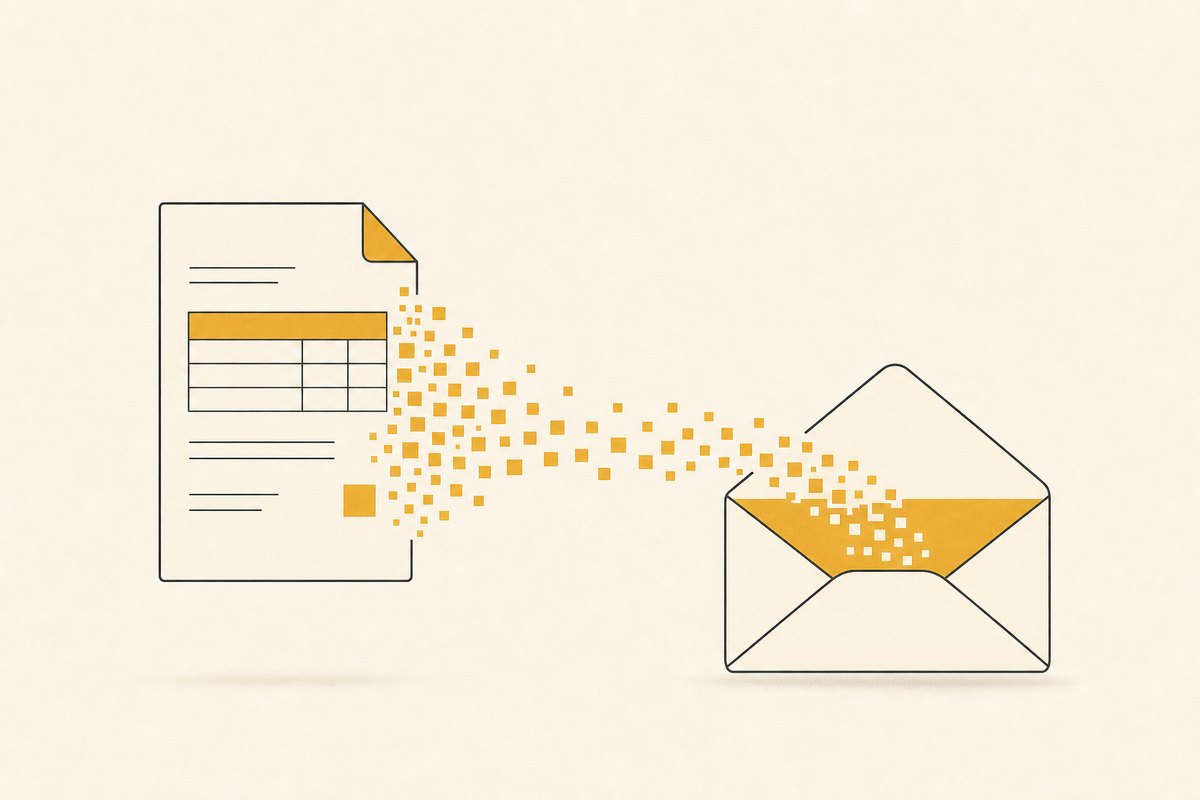
E-invoicing: as of September 1, 2026, you must be able to receive e-invoices
Receiving: all businesses, from September 1, 2026. Issuing: large companies and mid-sized companies (ETIs) from the same date, SMEs and micro-businesses on September 1, 2027. What this means in practice.

Ten questions that separate an AI agency from a demo salesperson
The enterprise AI market is full of people who can run a demo. Far fewer can keep a process running for eighteen months. Here are the ten questions that make the difference, and our answer to each one.
Everything you can check about us before trusting us with anything
An agency asking you to hand over your automations must accept being checked. Here are the twelve points we expose ourselves on, with the exact places to verify each one.

The name, the address and the number that answer for our commitments
Legal form, registration number, registered office, manager, publication director: UNYX's identity details and the public registers where you can check them in two minutes.

A small structure, and what that really means for you
A founder who designs and pilots, independent professionals brought in case by case, and a large share of production handled by our own automations. Here are the advantages and the limits of that model.

A recent company, and the dated list of what has been built since
The company was registered on 28 January 2026. Here is, month by month, what has gone live since, and what that youth actually changes for a client.
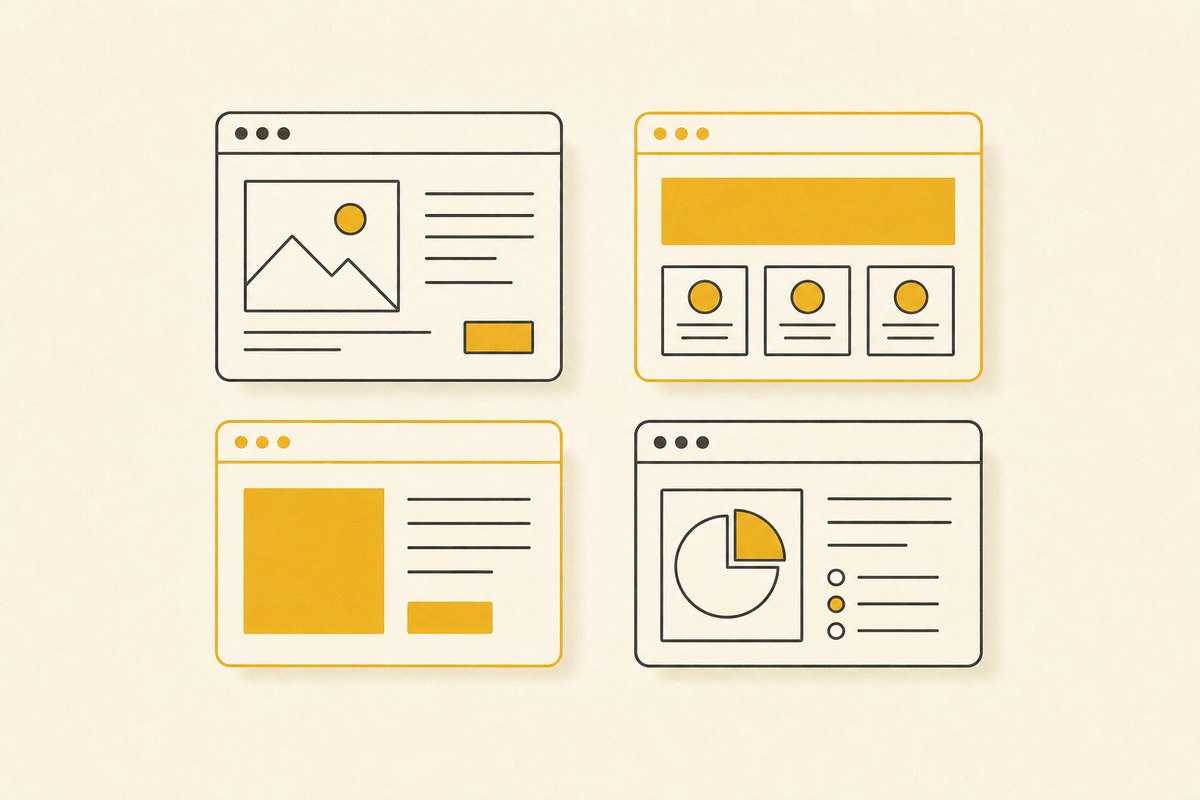
Addresses you can open, not logos
Four client projects and four in house products, with their address online, what was built and what is still in progress. Open them, that is what they are for.
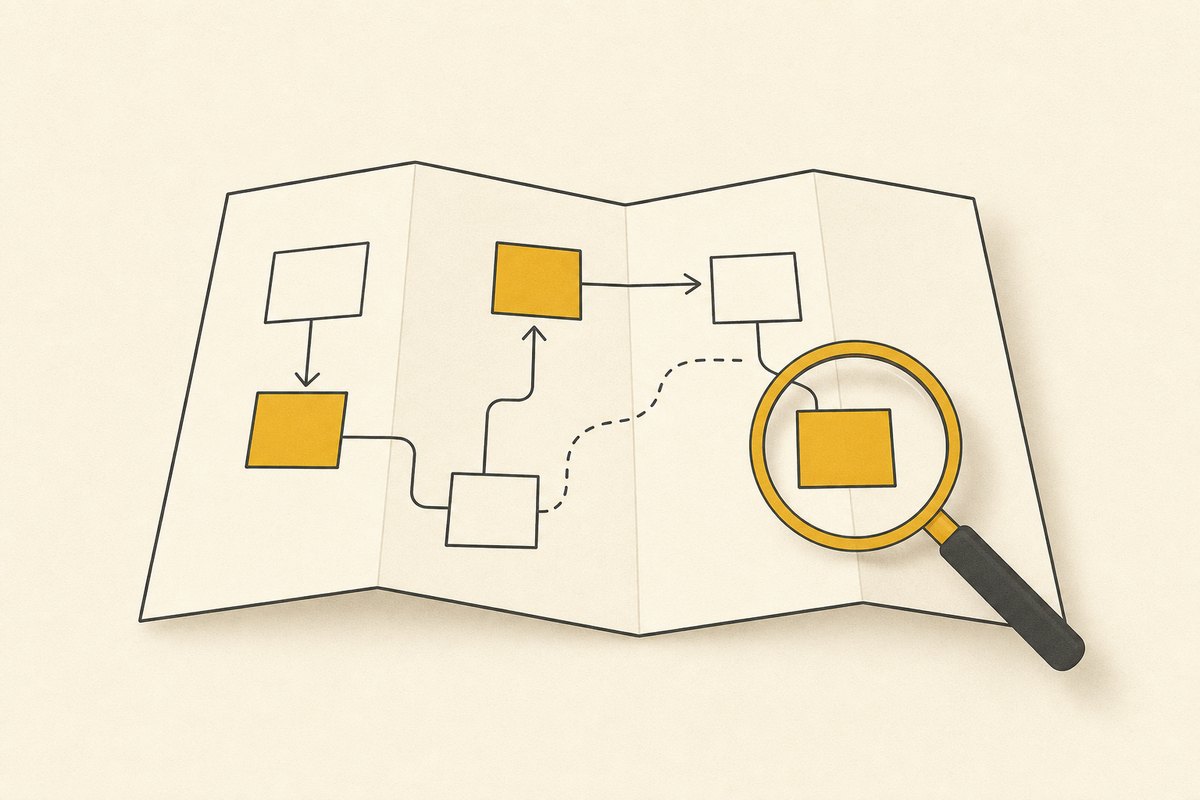
Before automating anything, we look at how you actually work
When a company doesn't yet know what to automate, the worst answer is to propose a tool. The right one is to map the processes, put a figure on them in time and money, then keep only what deserves to be built.
Our prices, what they cover and what they do not
One off work, monitoring subscription, human piloting: UNYX's three price families, with real amounts as of the publication date and what remains at your expense.
The six points where we are weaker than a large agency
Track record, size, public references, capacity, dependency on model vendors, client reviews: six real weak points, and the mechanism that offsets each.

Three things we do better, and the single reason why
Putting things into production rather than prototyping, keeping a system alive with a small team, and connecting acquisition to automation: three differences that all come from the same place.
Your accounts, your keys, your data: the question to ask first
Workflows, code, instructions, agents, knowledge bases, technical accounts, documentation, data: eight items whose owner must be named before signing, not on the way out.
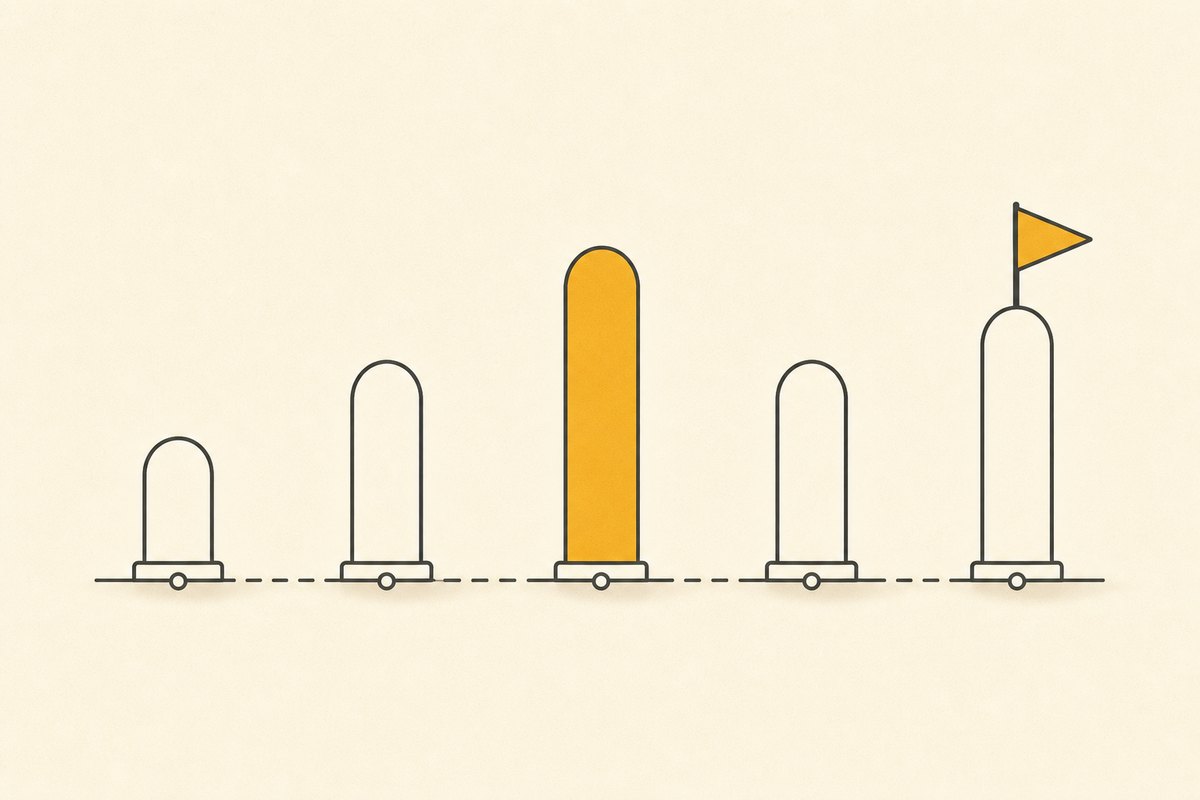
Ninety days, five phases, two automations that matter
Audit, prioritisation, proof, industrialisation, rollout: the sequence we apply when a company wants results within a quarter, with what really happens each week.
The scoring grid we suggest you use against us
Comparing two providers from memory a week later means comparing two impressions. Here is the ten criteria grid we use, its reading thresholds, and its limits.

The 16 rules your website must follow in 2026
Legal notices, France Rénov', RGE, ten-year liability insurance, cookies, customer reviews: the complete list of obligations now facing an energy renovation professional, family by family, with what an inspector looks at first.
France Rénov': the sentence to display from 1 October 2026
The order (arrêté) of 7 July 2026 sets the sentence, its placement and its format. What it really requires, the two obligations people often mix up, and the layout mistake that undoes all your work.
DPO: do you really have to appoint one?
Many companies believe they can skip the DPO because they are small. The GDPR doesn't work that way: it looks at the nature of your processing. Here are the three cases where appointing one is mandatory, and why a written note protects you in all the others.

In-house, external or shared DPO: how to choose
Appointing a DPO isn't enough: you also need the right model, and you need to avoid a conflict of interest. In-house, external, shared, hybrid: what really sets these options apart, and how to decide without getting it wrong.
Scaling up without doubling your costs: what gets duplicated, what gets systematized
Many businesses confuse growth with multiplication: more customers, so more people, so more costs. The real question lies elsewhere: what in your business needs to be systematized so that volume stops costing you?

Digital maturity: the five levels, and how to tell where you stand
A business can have a recent website, active social media and a CRM, and still be at the first level of maturity. What matters isn't the equipment: it's what the business knows about its own results.
Business is slowing down: the first three decisions to make
A slowdown is not inevitable, but it shouldn't be handled on instinct. Three decisions, made in the right order, determine whether the business stabilizes or sinks.

What's holding back your growth is almost never what you think
When growth stalls, the reflex is to add more fuel: more advertising, more salespeople. That is often a misdiagnosis. The blockage almost always sits between the moment a prospect shows interest and the moment they sign.

Off-the-shelf software or a tool built for you: how to decide
Off-the-shelf software is cheaper to buy and more expensive to use as soon as it doesn't fit the way you work. The real calculation is about the gap, not the subscription.
Hire or automate: the order in which to ask the question
The question “should we hire or automate?” is poorly framed until you've described the real work. Here is the order that keeps you from paying twice for the same mistake.
Digital audit: measuring a site, or deciding what to fix first?
Most businesses that ask for an audit want a score. A score reassures or worries, but it decides nothing. The real value of an audit isn't measuring: it's prioritizing what to fix first.

Can a free audit tell you anything worthwhile?
Free audits have a bad reputation: people suspect they're just a sales pretext. Yet they do have real value, as long as you understand what they actually measure and where their competence ends.
Online reputation: what to do when it turns against you
You don't defend a reputation by deleting reviews. You defend it by responding well, documenting everything, and generating enough positive signals for the incident to be seen in proportion.

Restarting after a setback: what a real recovery plan looks like
After a shock, whether it's losing a major client, a dispute or a drop in activity, the temptation is to rethink everything. What actually gets a business moving again is much shorter, and much more demanding.
AI transparency: since August 2, 2026, an AI must say it is one
Since August 2, 2026, Article 50 of the European AI regulation requires that people know when they are interacting with a machine, and that AI-generated content be labeled. Who is covered, when the information must appear, and five checks to run in your own business.

The full inventory of what runs at our end
Hosting, database, AI models, payment, email, telephony, advertising: the inventory of our components, what each one does and where the data sits.

What we built, and what we merely assemble
The part we wrote, the part we rent, and what happens the day a vendor raises prices, changes its rules or shuts down. The split, line by line.
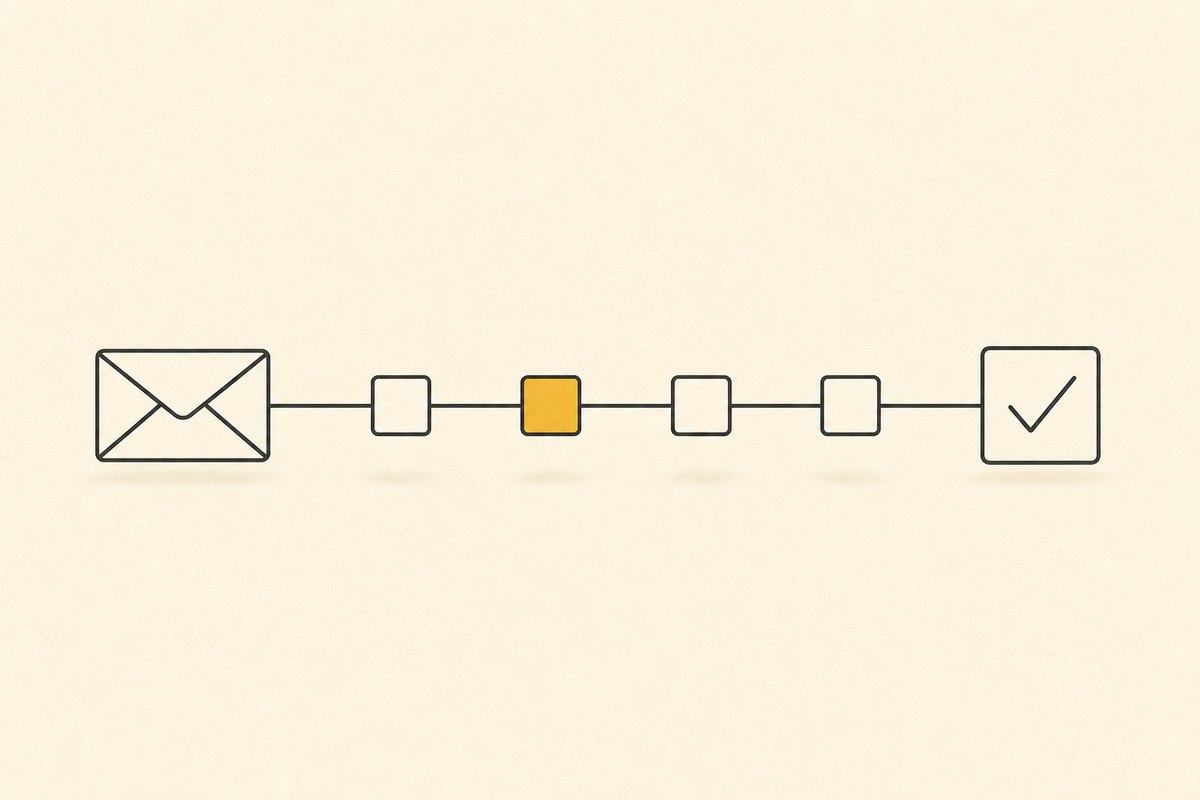
One process followed end to end, from first contact to follow up
A real case is told step by step: starting situation, breakdown, what the machine does, what the human does, what was measured, and what still breaks. Here is a complete example, with no logo and no slide deck.

The components we assemble, and why the tool is not the point
Language models, programming interfaces, databases, queues, permissions, logging, monitoring. Here is what we really use, and above all the questions that matter once the list has been given.
Propose, validate, execute: three verbs never to be confused
Between AI that decides and acts alone and AI that proposes to a human who decides, there is not a nuance but two different crafts. Here is the rule we apply to place that line, step by step.
Five days in the real work of the person piloting your automations
An orchestrator is not a software subscription: it is qualified human time, spent every week on your automations. Here is what that time goes into.
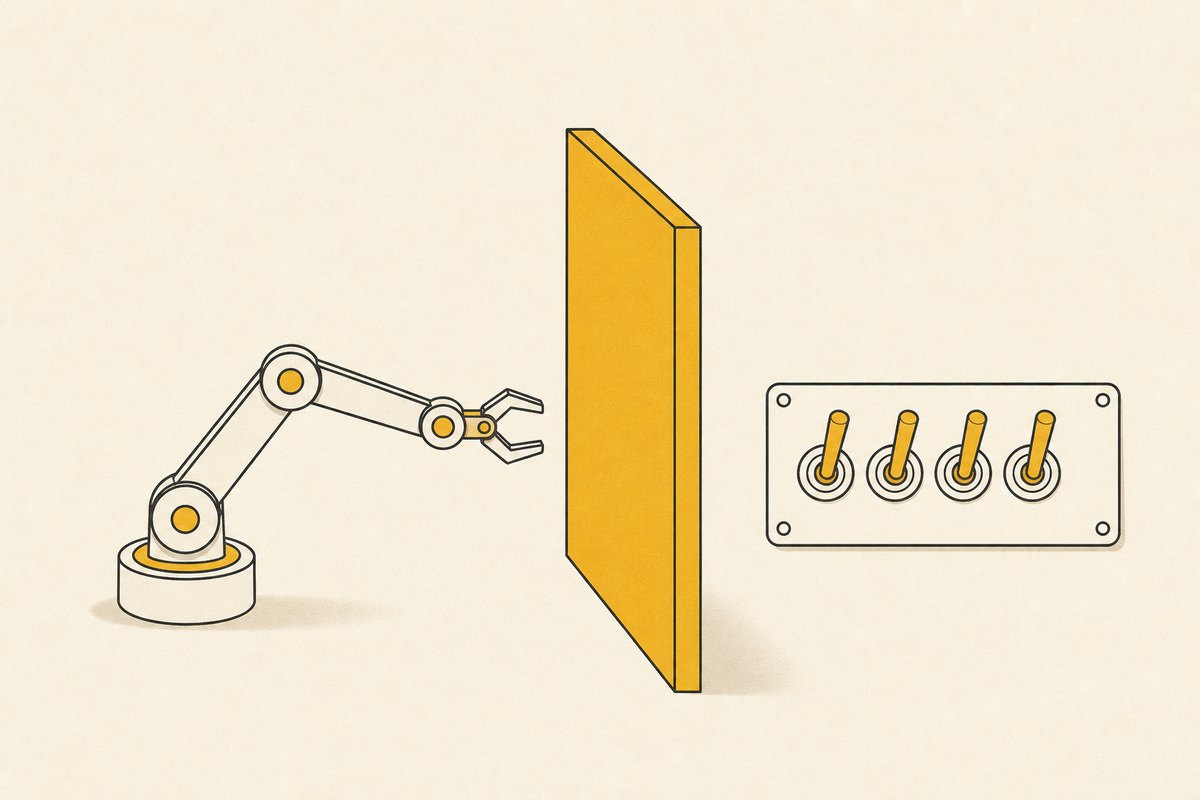
A prohibition cannot live inside an instruction
Thresholds, deterministic rules, validation, fallback, logs, alerts, undo: error handling is a mechanism, not a promise. And the most useful lesson we learned fits into one sentence.

What we refuse to automate, and why we say so before signing
Some tasks are technically feasible and we still leave them to a human. Here they are, with the reasoning behind them, because this is the best question to ask in a meeting.

Behind the word orchestrator: who decides, where data lives, how it holds
Components used, data storage, communication between agents, permissions and error handling: the technical answer to the question that moves the conversation from sales talk to reality.
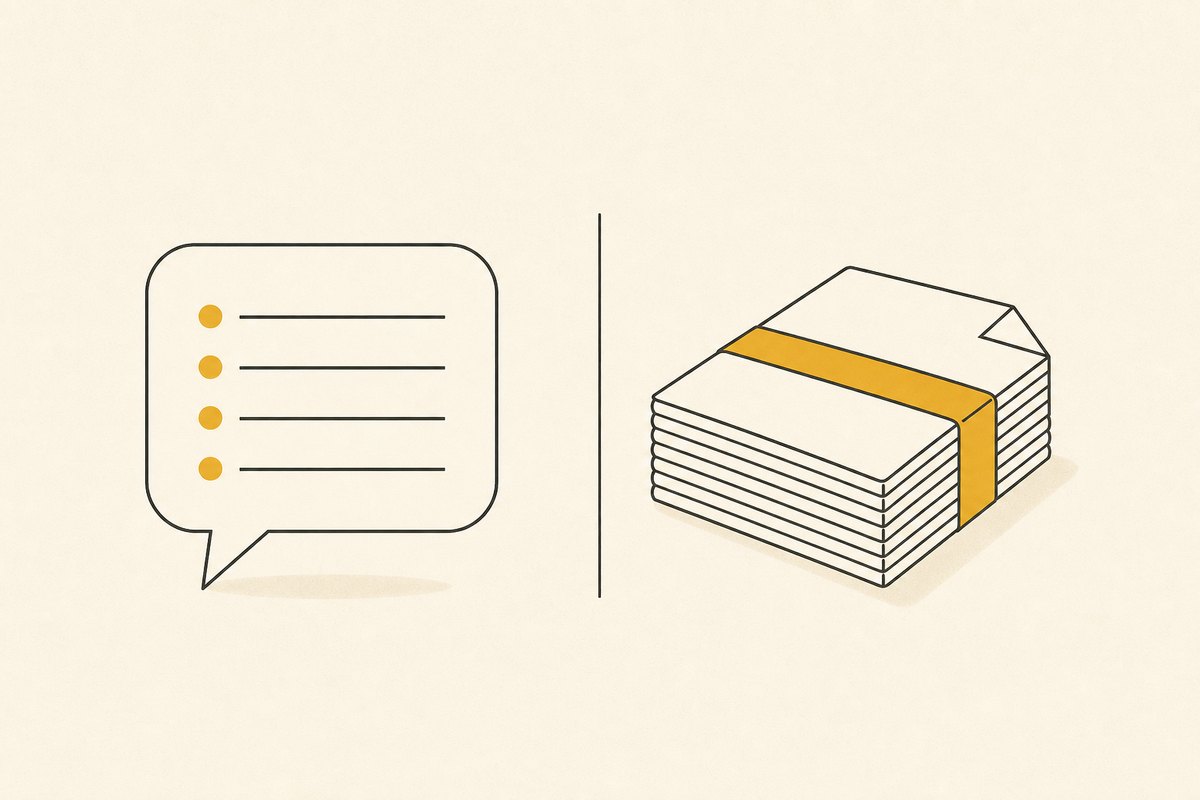
Why your AI gives you advice instead of doing the work
An AI that answers and an AI that acts are not two levels of quality, but two different natures. The first produces text. The second must have access to tools, be allowed to use them and prove what it did. Three conditions set them apart.

Email: the one interface your whole team already knows how to use
An internal tool almost never fails because of its features. It fails because it means opening one more tab, remembering one more password, and building a habit nobody has time to build. Email has none of these costs.

Giving an AI real actions to perform: the safeguards to demand
As long as an AI writes text, a mistake can be fixed. Once it sends, books or modifies, the mistake leaves your building. Four protections make the difference, and none of them depends on how much you trust the model.

Getting cited by ChatGPT, Gemini and Perplexity: what traditional SEO can no longer do on its own
More and more people no longer search, they ask an AI. And the AI answers by citing two or three sources. The question is no longer just ranking well on Google, but being the source a model draws on, and that is decided somewhere else.

Why AI projects fail in business (it's not the technology)
AI projects rarely fail for technical reasons. They fail because nobody owns them, because the scope was too broad, and because no success criteria were set.
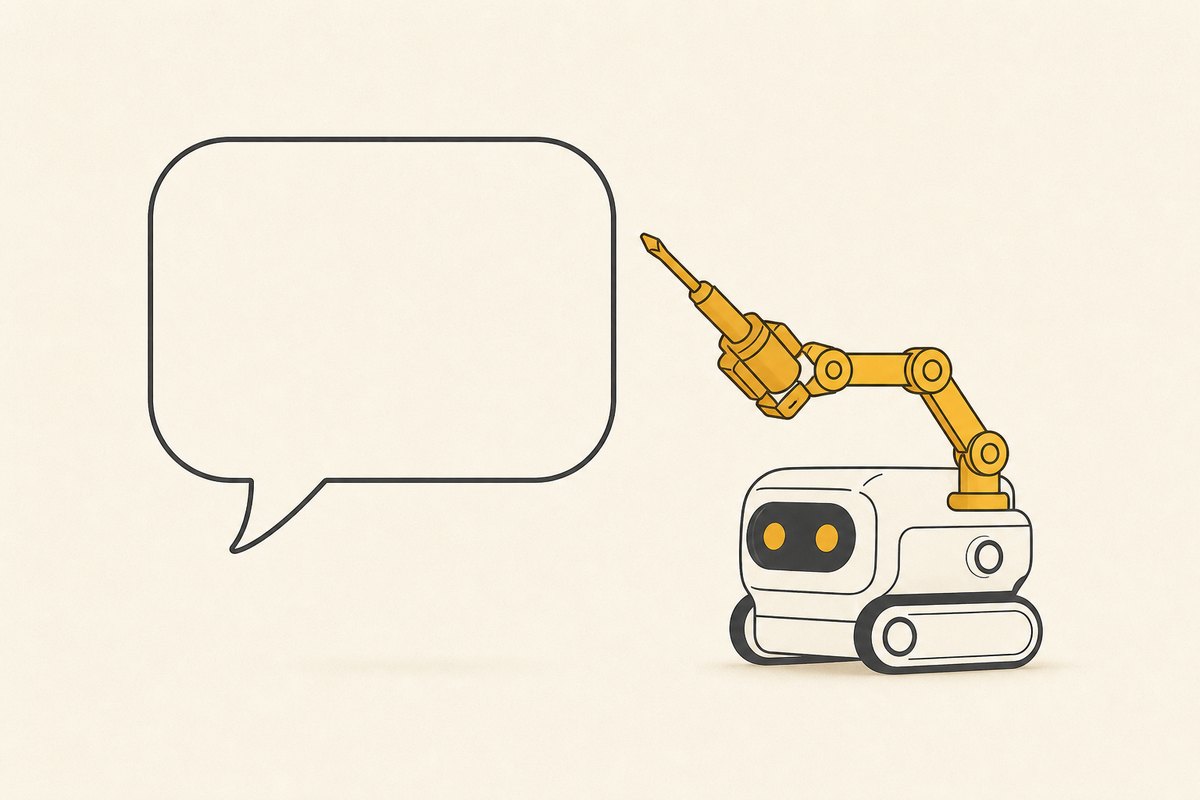
AI agent or chat assistant: the difference that changes everything
Many companies say they "tried AI" and were disappointed. Almost every time, they tried a chat assistant where they needed an agent: a setup that has a mission, data and an obligation to deliver results.
AI doesn't replace your job. It shifts where you add value.
"Will AI replace my job?" is the wrong question. AI rarely eliminates a job in one go: it dissolves tasks. The real question is how much of your value is becoming automatable, and how much is becoming scarcer.
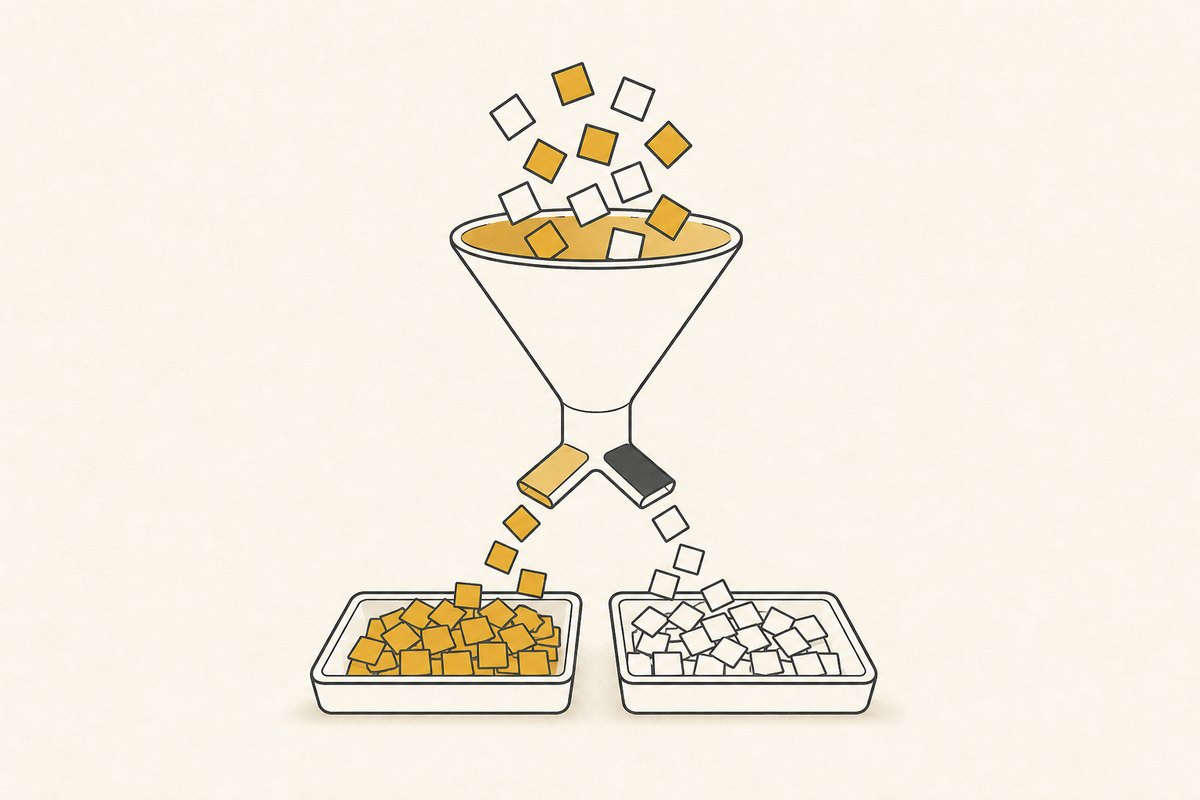
Which tasks to hand to an AI agent (and which to keep well away from it)
Using AI well is not a question of technology, but of sorting. Some tasks are made to be delegated to an agent; others will cost more to automate than to do by hand.

Asking AI for too much at once: the most common waste
AI costs don't balloon because of model prices, but because of back and forth: requests that are too vague, unnecessary context sent again every time, work redone because the task wasn't broken down.

The real cost of AI in business: what the invoice doesn't show
Comparing prices per million tokens says almost nothing about what an AI setup costs. Implementation, oversight and undetected errors weigh far more.

The small internal tools that change everything (and never get built)
An internal form, a tracking screen, an automatic export: these tiny things often create more value than an overhaul project, because they remove a friction that repeats every single day.

Using AI without losing control of your data
The question is not “should we trust AI?” but “what information leaves the company, for whom, and under what rules.” It is settled through architecture choices, not promises.
Why your to-do lists never last more than three weeks
Everyone has abandoned a to-do list at some point. The cause is almost never a lack of willpower: the list contains projects disguised as tasks, impossible to start.
Digital nomad: the real question isn't where you work, but what your job really allows.
Instagram myth or real way of working? The debate is framed the wrong way. The scenery, the beach, the café in Lisbon, is just the visible part. The real question is whether your job can genuinely be done from anywhere, and whether you've built a system that holds up without you being there.

Prioritizing: the one question that decides between two tasks
Classic prioritization methods fail because they rank tasks in isolation. What matters is not how important a task is, but how many other tasks it frees up.

An internal tool doesn't fail on its features, but on adoption
An unused tool is not a technical failure: it is a tool that asked more of the person who had to use it than it gave back.
Cold outreach: what's now banned, and since when
Phone, email, SMS: the law of 30 June 2025 flipped the principle. What happens to a prospect database built before, and the question to ask before every campaign.

Deliverability: why your emails aren't arriving (and it's not the content)
Open rates are dropping, campaigns are producing nothing: the first suspect is almost always deliverability. It depends on three things that have nothing to do with the quality of your copy.

Google Ads: where your budget really goes
A poorly set up ad account doesn't crash loudly: it spends as usual, every day, on searches that will never lead anywhere. Here are the most common leaks and how to spot them.

Prospecting list: why 200 good addresses beat 20,000
The pull of volume is natural: more addresses, more chances. It's wrong on three counts: deliverability, sales time and image. Sorting upfront is worth more than any sending tool.

Who really controls your campaigns? The question to ask your provider
Many advertisers discover, when it's time to leave, that they own neither the ad account, nor the history, nor the data used to optimize. These are three questions to ask on day one, not on the last day.

How often to write to your customers without wearing them out
Writing too often drives people away; writing too rarely makes them forget you. The right rhythm follows from one simple criterion, and you correct it by reading two numbers.
Local visibility: getting found when people search for your trade in your city
A local business doesn't need to be visible everywhere. It needs to show up at the exact moment someone nearby is searching for precisely what it does.

First outreach message: what gets a reply
A good first message doesn't try to convince: it tries to get a reply. That distinction changes the subject line, the length and the final ask.
Cold email: what's allowed, and what still works
Contacting a company that doesn't know you is allowed under certain conditions. But your message still has to justify its place in an already overcrowded inbox.

Prospecting: half the work is lost for lack of follow-up
A “call me back in six months” with no reminder scheduled is a lost customer. Most missed deals are not missed for a good reason: they are missed because someone forgot.
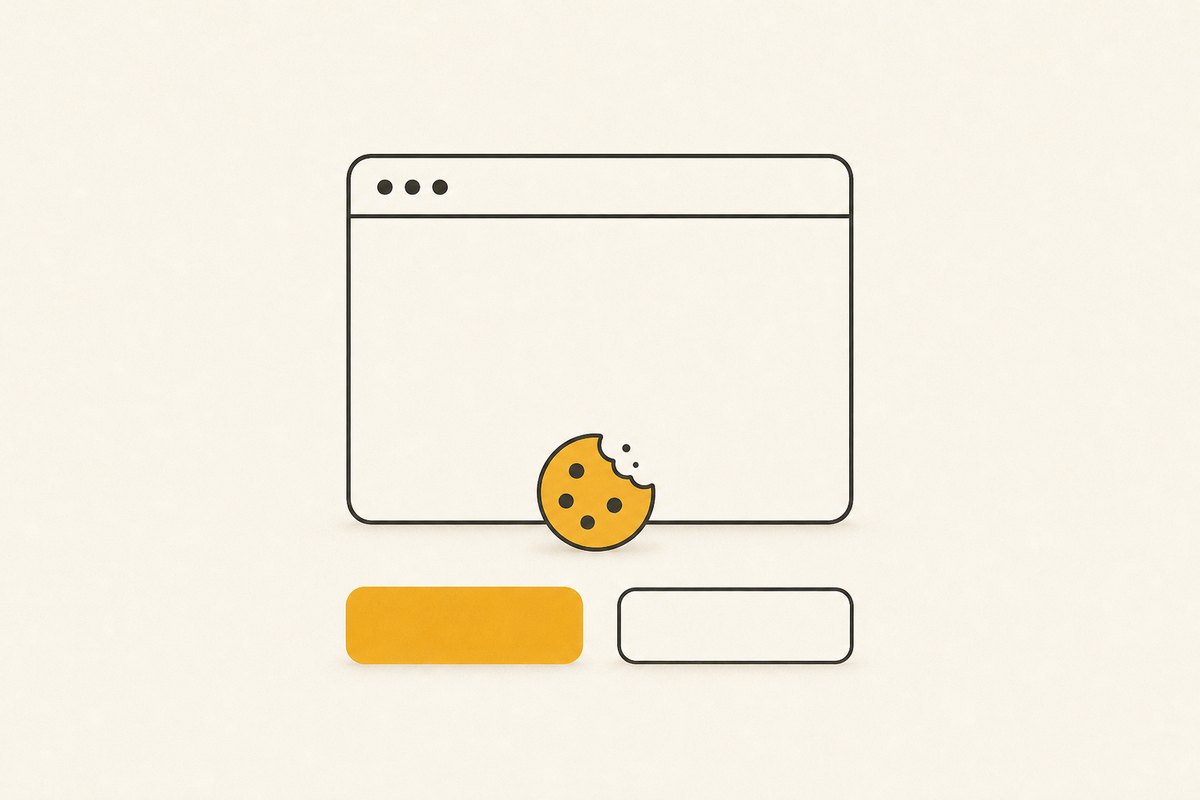
Cookies: the “Reject all” button must be as easy as “Accept all”
Continuing to browse is not consent, and refusing must be as easy as accepting: what Article 82 says and what the CNIL expects.

Legal notices: what your website must display, and what a site without them risks
Company name, registered office, publication director, hosting provider: what article 1-1 of the law of 21 June 2004 requires of every website publisher, and the penalty set by article 1-2 when they are missing.
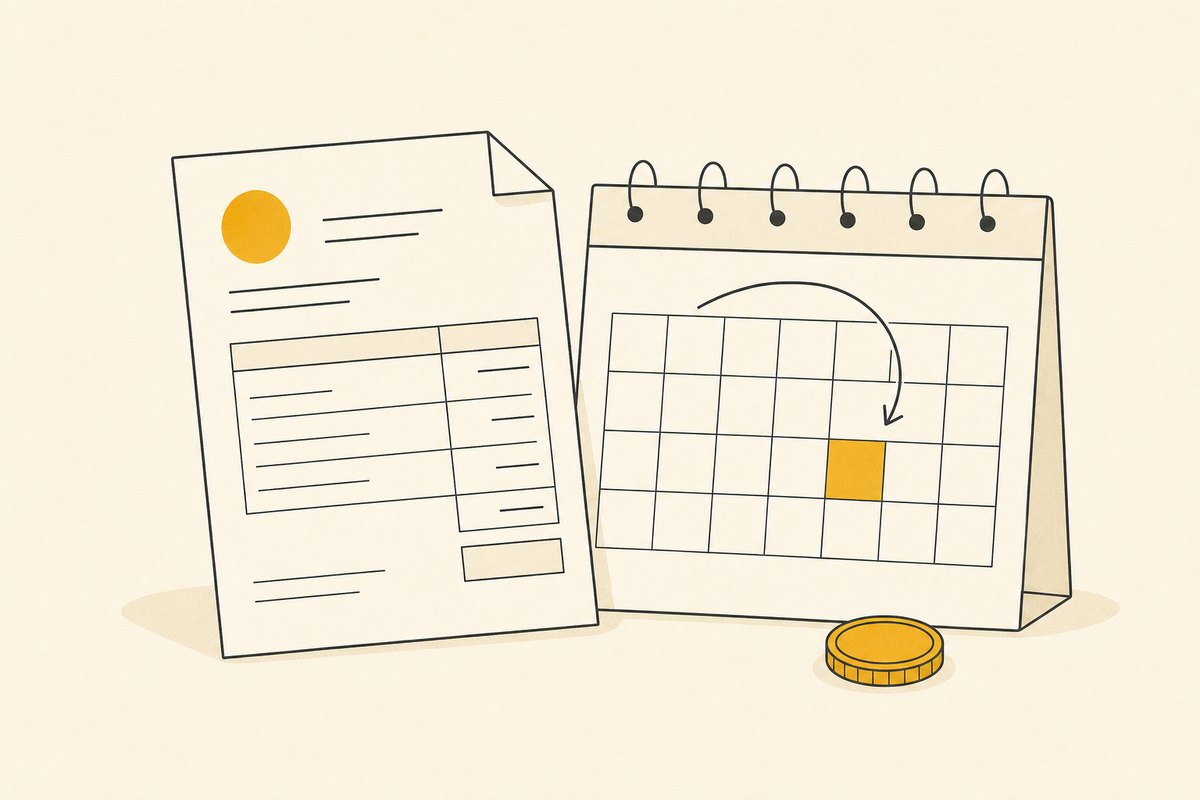
Payment terms between businesses: sixty days maximum, and a fine beyond that
Between businesses, payment cannot be due more than sixty days after the invoice is issued. What articles L441-10, D441-5 and L441-16 say, and the fine for breaching them.

Customer reviews on your site: the law requires you to say how they are handled
If your site displays customer reviews, the law requires you to say how they are checked, dated and ranked. What articles L111-7-2 and D111-10 say, and the fine for non-compliance.

Consumer mediator: the obligation you only notice during an inspection
An unhappy customer has the right to turn to a mediator free of charge, and you must give them the mediator's contact details in a visible way. What articles L612-1 and L616-1 say, where to display them, and the fine for non-compliance.

Environmental claims: what changes on 27 September 2026
Directive (EU) 2024/825 targets green words that can't be proven, in-house labels and carbon neutrality through offsetting. Where France stands, what the law already prohibits, what it costs, and five checks to run in your own business.

UNYX, Shopify, PrestaShop, WooCommerce or Magento: what are you really choosing?
Shopify, PrestaShop, WooCommerce and Adobe Commerce each have their strengths. Here are the practical trade-offs to weigh against UNYX Ecommerce's turnkey approach.

How much does an online store really cost once you add everything up?
An online store costs more than its subscription or its initial development. Here are the line items to count so you can compare two solutions on an honest basis.

Switching e-commerce platforms without losing your products, your SEO or your customers
Moving from Shopify, PrestaShop, WooCommerce or Magento to a new store takes a method. Catalog, redirects, payments and orders all need to be secured.
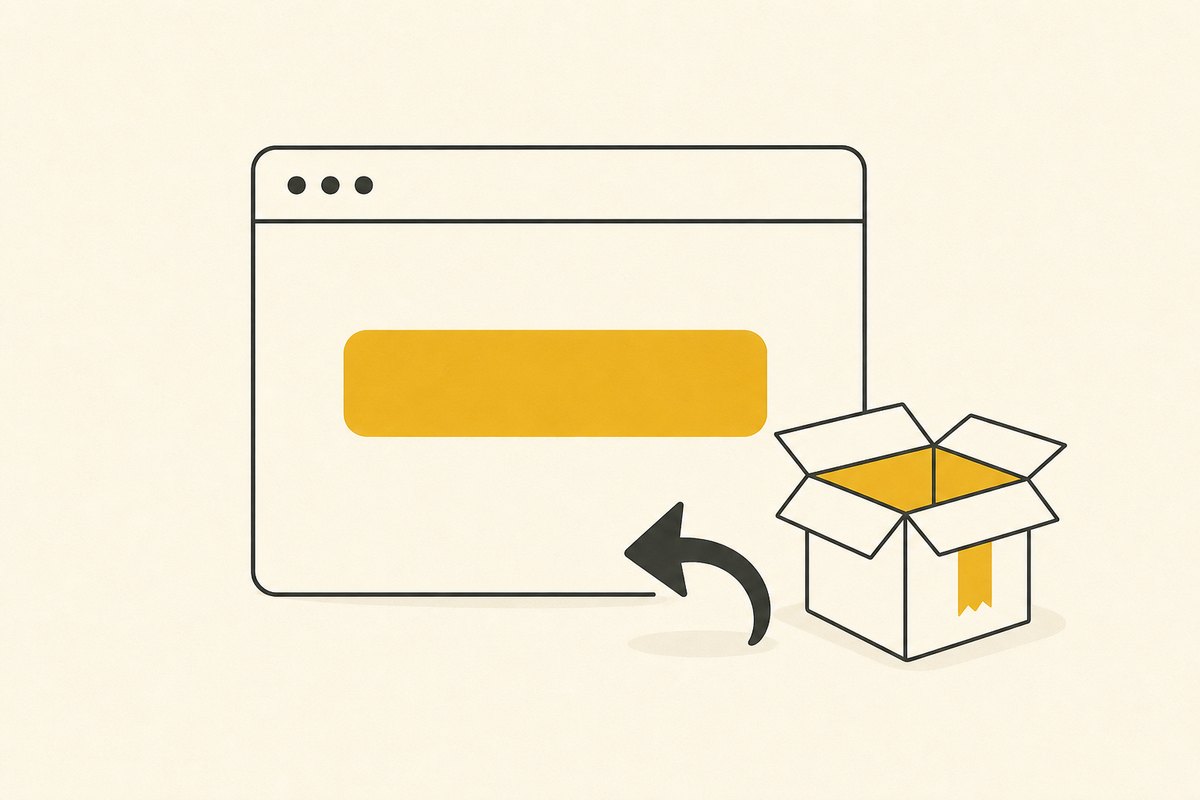
Withdrawal button: from 19 June 2026, customers must be able to withdraw online
Since 19 June 2026, a consumer who bought online must be able to exercise their right of withdrawal online, through a dedicated function. Who is affected, what the text exactly requires, and four checks to run on your site.

Crossed-Out Price: The Reference Price Is the Lowest Price of the Last 30 Days
Any announcement of a price reduction must state the lowest price charged in the previous 30 days. What this changes for an online shop, the one exception provided for, and what a badly built promotion puts at risk.
Accessibility: your online store has been affected since June 2025
Since 28 June 2025, e-commerce services must meet accessibility requirements. Who is affected, what the DGCCRF looks at, and the four checks you can run yourself.

Abandoned carts: what they really say about your store
Cart abandonment rate is treated as an unavoidable fact of online retail. It's actually a very precise diagnostic report, as long as you look at the exact step where customers leave.

Custom website or proven template: what you're really paying for
On a showcase website, most structural choices have already been solved thousands of times. Paying to start them over from scratch only adds value if your business genuinely requires it.

When should you rebuild your website? The signs you can trust
Rebuilding a website is a major expense, often triggered by aesthetic fatigue rather than a diagnosis. Here are the signs that genuinely justify a rebuild, and those that call for a fix, not a major project.
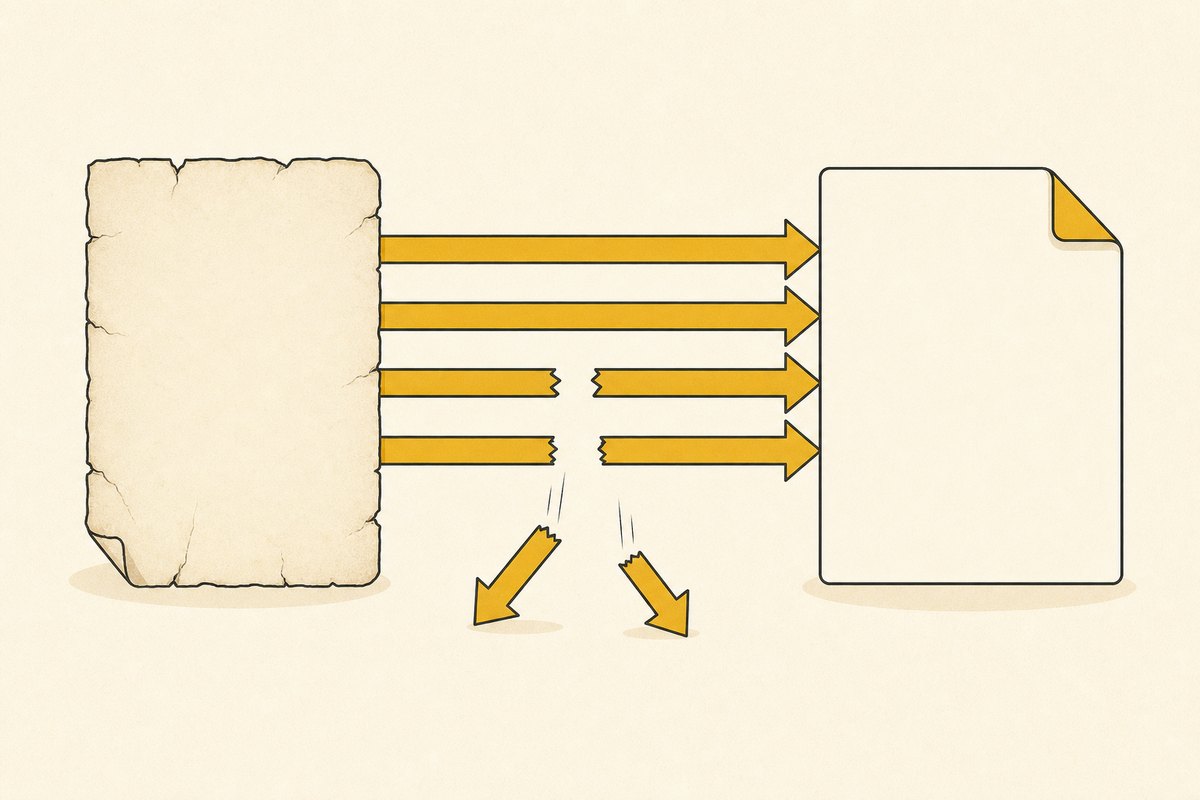
Redesign: how not to lose your search rankings along the way
Many companies see a sudden drop in visits after rebuilding their website. The causes are well known, they come up again and again, and they can be fixed before launch, not after.

Product pages: the information that actually triggers the purchase
Most product pages recite features. Customers, on the other hand, are looking to clear up doubts: is this the right size, when will it arrive, what happens if it doesn't work out?
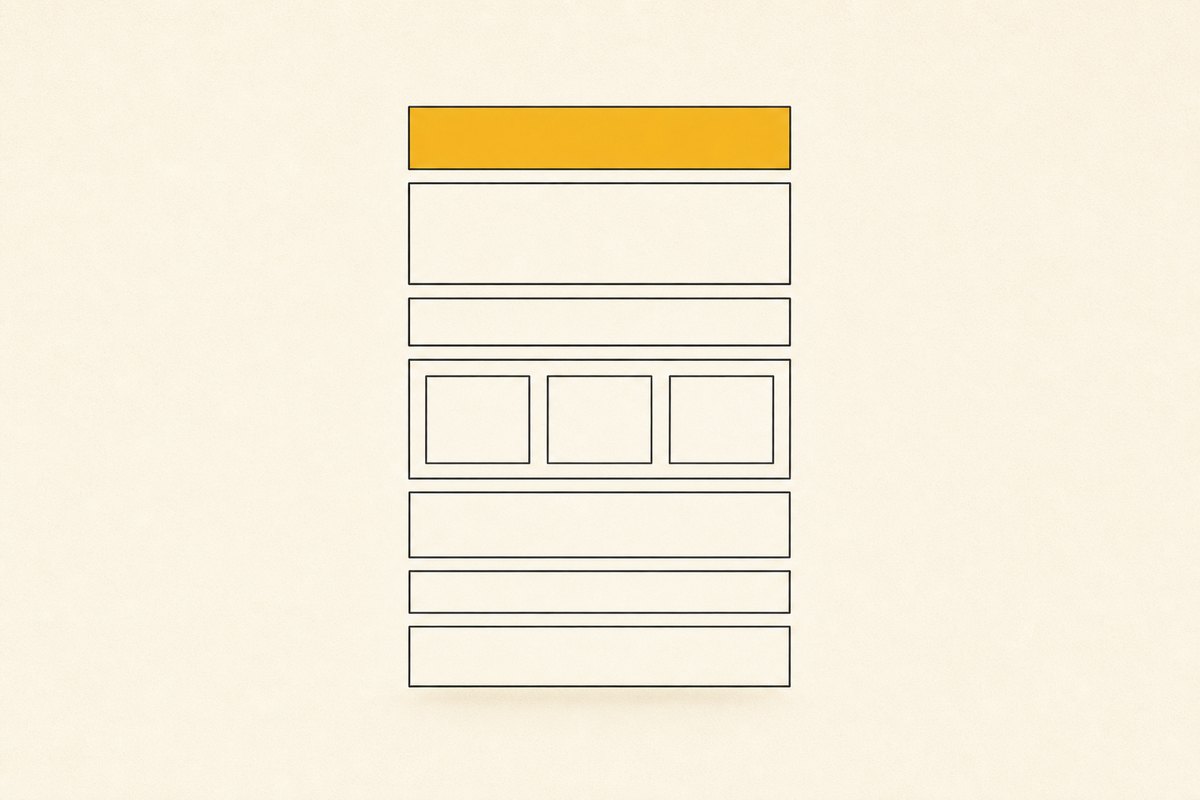
The Order of Sections on a Page That Converts
There's no mystery in the structure of a page that converts: it answers objections in the order they appear, and it offers the action at the moment the person is ready.

Business website: what really gets the phone ringing
Most business websites fail for three mundane reasons: nobody can tell what they do, nobody knows whether they can be trusted, and you have to hunt around to reach them.

Launch fast, then fix: why it's the best method
Waiting for the ideal version costs you twice: in time before launch, and in the information that only real visits can give you.

What the platform has actually processed, in dated figures
3,732 sites analysed, 7 advertising accounts followed, 198 campaigns, 774 agent passes of which 4 failed: our platform's real volumes as of 6 September 2026, and what they mean.
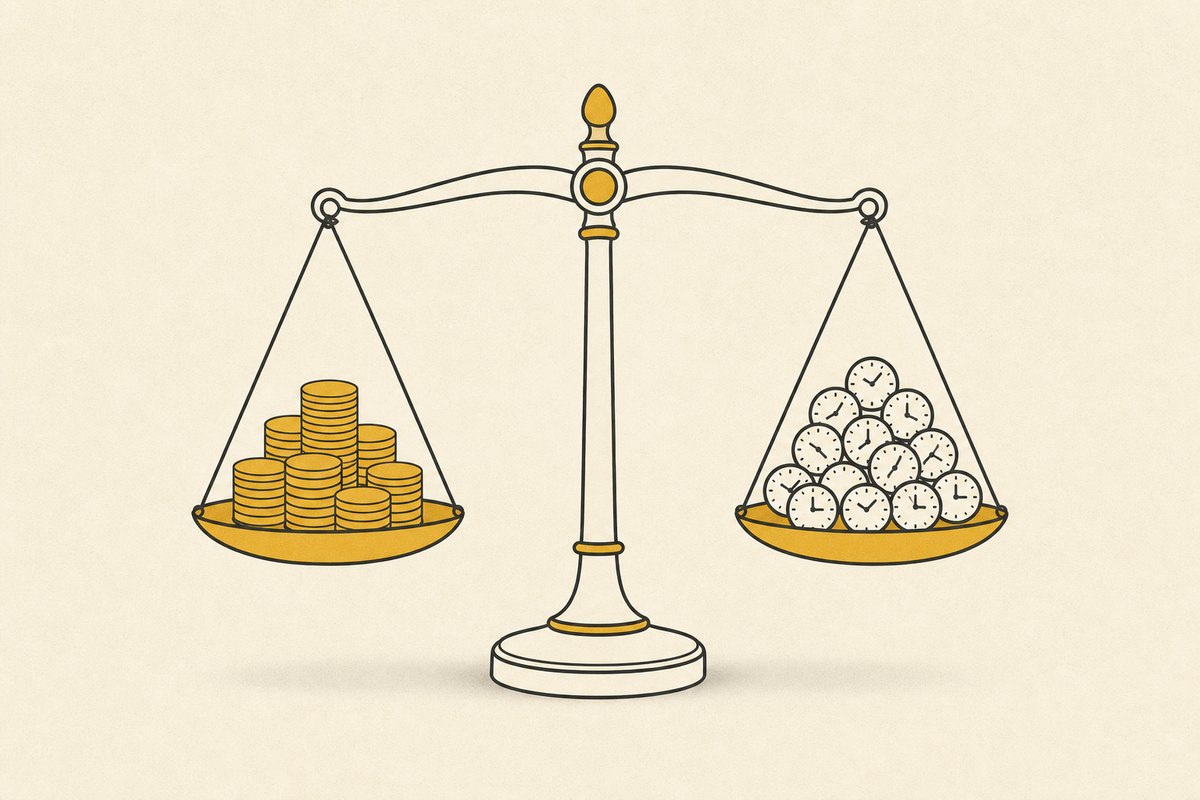
What an automation earns is calculated before it is built
Time saved multiplied by hourly cost, plus errors avoided, plus additional revenue, minus the total cost of the solution. Here is how we fill in each term, and the trap hidden in every one of them.
The real cost of an automation starts the day it goes live
This is the question most often forgotten in meetings, and the most expensive one to discover afterwards. Who monitors, who fixes, what happens when a model changes behaviour, and can you take back control.

Website down: what it really costs, beyond lost sales
Most businesses measure a website outage in missed sales. That's the visible part. The lasting effects, lost trust, damaged search rankings, drained energy, often cost far more than the day itself.
CNIL inspection, data breach: what a DPO changes
A DPO is not an umbrella you open on the day of the storm. What the CNIL penalizes is not only a lack of compliance, but failing to involve the DPO in time. A breakdown based on a real case.
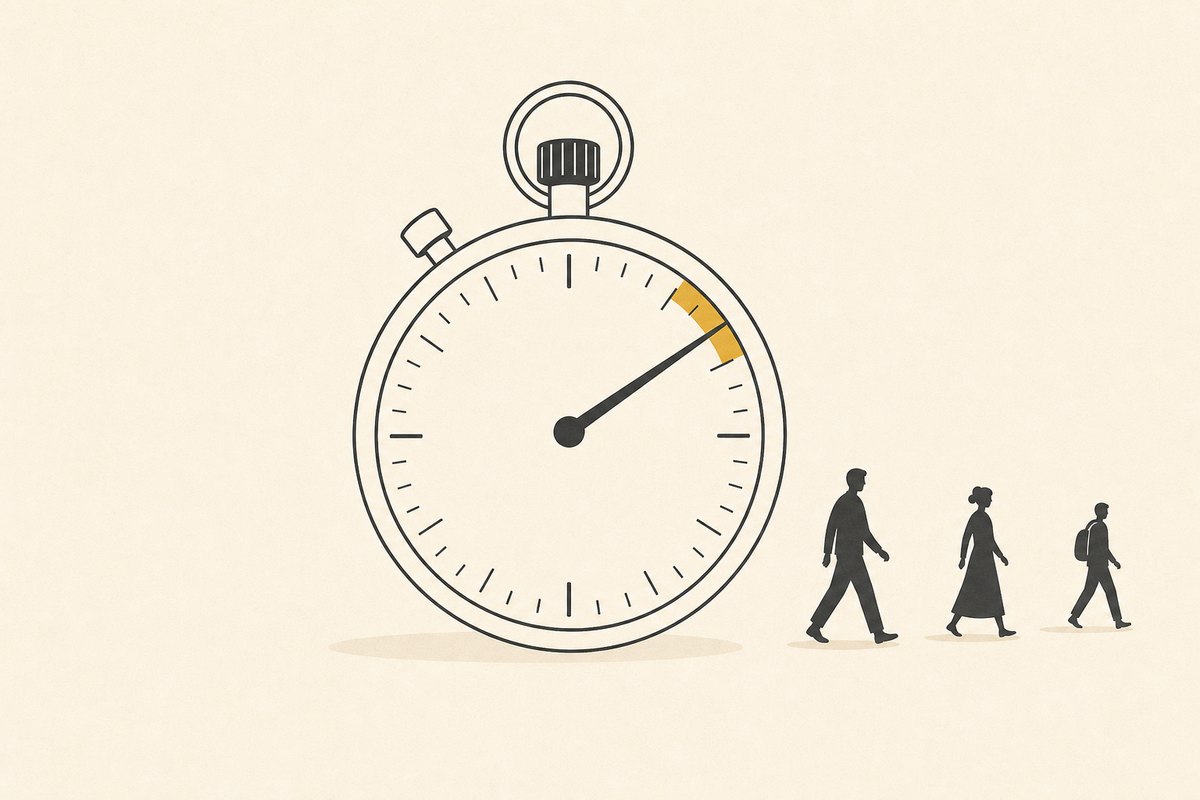
Response time: the threshold at which your visitors leave
Slowness triggers no alert, no complaint, no phone call. It simply drags results down, which makes it especially hard to diagnose without continuous monitoring.

Monitoring your website: what to track, and what's pointless
Too many alerts kill the alert. Here are the few signals that deserve an immediate notification, the ones that deserve a monthly review, and the ones you're better off ignoring.

E-commerce: the four numbers to check every week
Revenue doesn't tell you whether your store is doing well. Four metrics, read together, show you where to act this week and which ones to ignore.
Get digital news
The best of the Journal, every Monday, directly in your inbox. No spam.