AI use follows a fairly predictable curve in companies. You start with broad requests, get answers that are decent but unusable, rephrase, and start over. Each cycle consumes human time and machine resources, and the final result often only arrives on the fourth attempt.
Why a broad request is expensive
Asking "write me a communication strategy" produces a plausible, generic text that could apply to anyone. You'll then have to redo all of it. Asking "suggest three hooks for this page, for this target audience, taking these three constraints into account" produces something you can use right away.
The difference between the two isn't the power of the model: it's the number of decisions you made before asking.
AI doesn't guess what you haven't decided. It fills the gap with the average.
The three sources of waste
- Unnecessary context. Sending a whole file with every exchange when three paragraphs would do multiplies consumption without improving the answer.
- Redone work. Not keeping a result you already have, then asking for it again because you no longer know where it is.
- The task that isn't broken down. Asking in one go for what should have been requested in three controlled steps produces a result that is mediocre across the board and excellent nowhere.
Break it down here, too
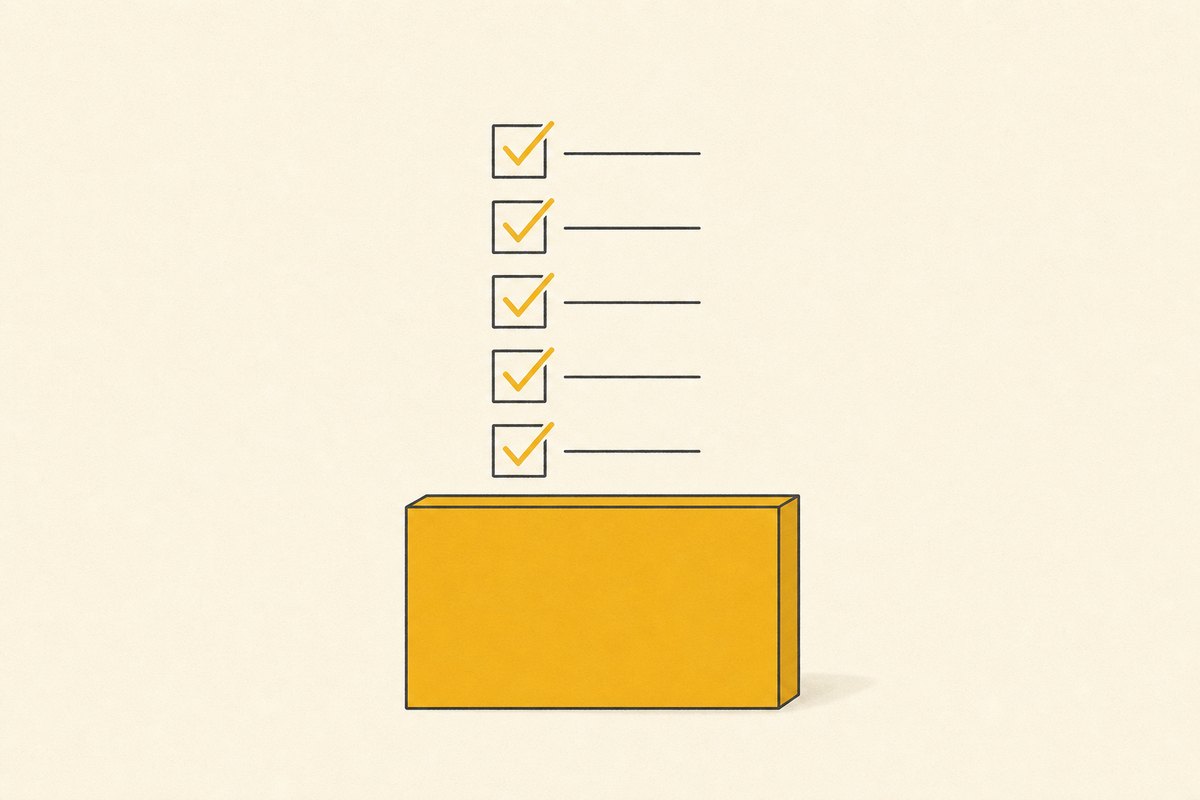
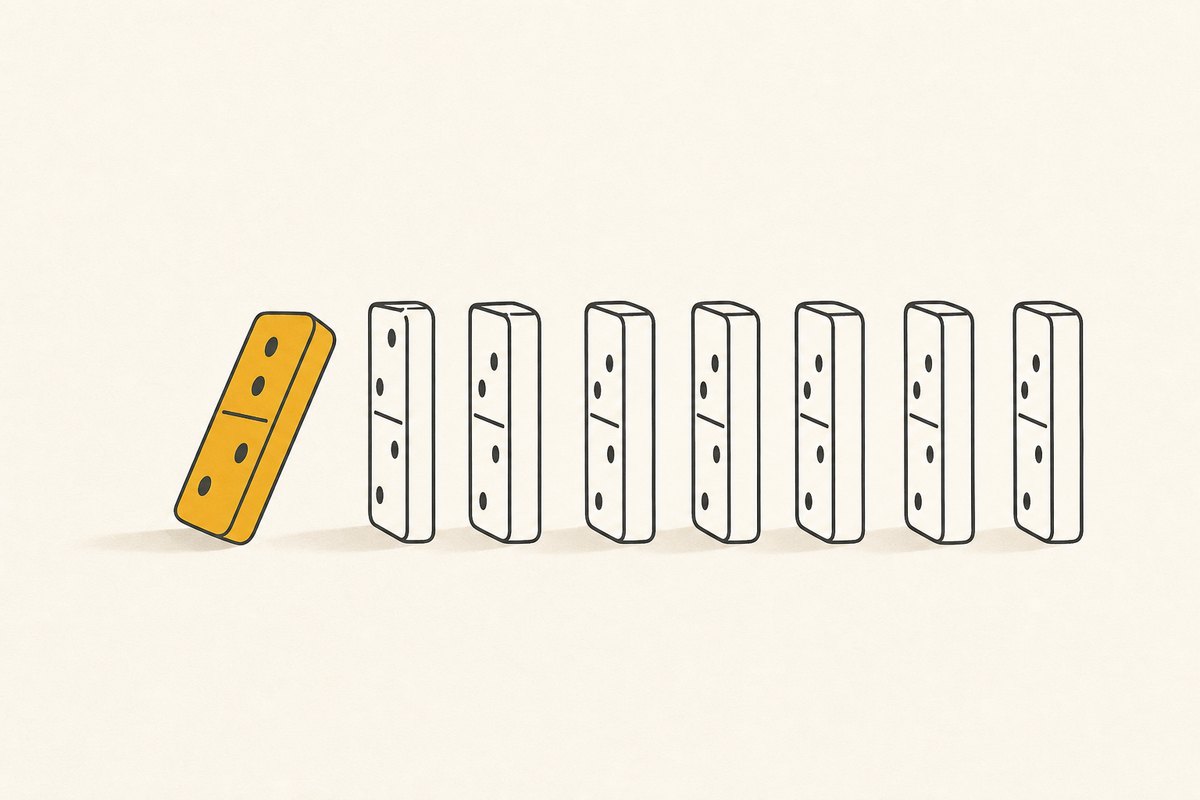
The reflex that makes the difference is the same as for a to-do list: break things down. A broad request becomes a series of verifiable steps: frame, produce, check, format. Each step is short, controllable and cheap; the whole costs less than the "all at once" version that you have to redo.
Measure, or you're flying blind
Without measurement, a team doesn't know what it consumes or what for. Two indicators are enough: how many requests per completed task, and how many times an answer had to be redone. When both numbers go down, usage becomes profitable; as long as they go up, you're paying for back and forth.
Two lines before your next request
Before your next request, write down in one sentence the result you expect and what would make it unusable. These two lines eliminate most of the back and forth, and that is where the savings are made, far more than in the choice of model.
The cost of AI is decided before the request, not during it.