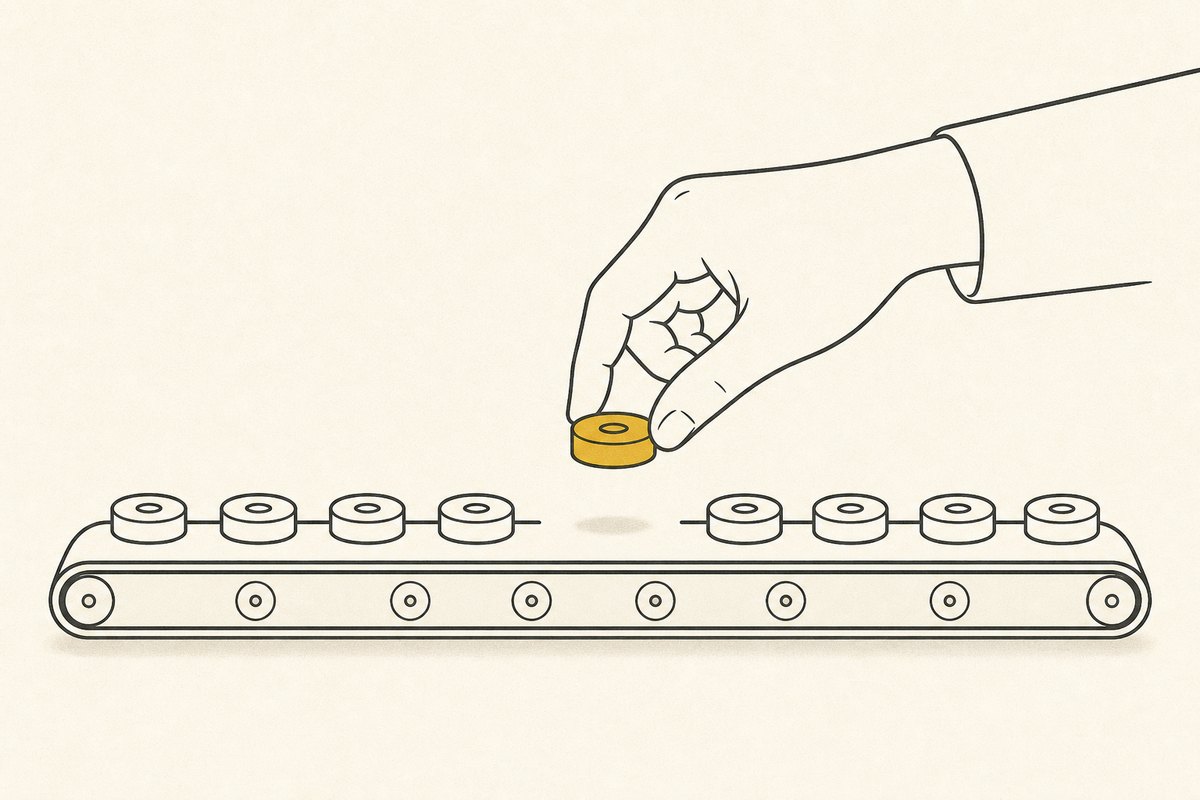
Two architectures are possible, and they look alike on a diagram. The first: the AI analyses, decides, acts. The second: the AI analyses, proposes, a human validates, then the action goes out. On a harmless process the gap is a matter of comfort. On a sensitive process it is the difference between saved time and an incident.
The rule: the cost of an error decides
We do not place human validation on principle, nor out of distrust. We place it where an error would cost more than the time it saves. Four questions are enough to settle it, step by step:
- Is it reversible? A misfiling can be corrected. An email sent to three thousand customers cannot be recalled.
- Is it visible from outside? Everything that leaves the company commits its image and its word.
- Does it commit you legally or financially? A price, a deadline, a refusal, a refund.
- Is the rule stable? A rule that changes every month needs a human eye for longer.
A step that is reversible, internal, non committing and governed by a stable rule can run alone. As soon as one of those conditions falls away, a validation appears.
What validating means
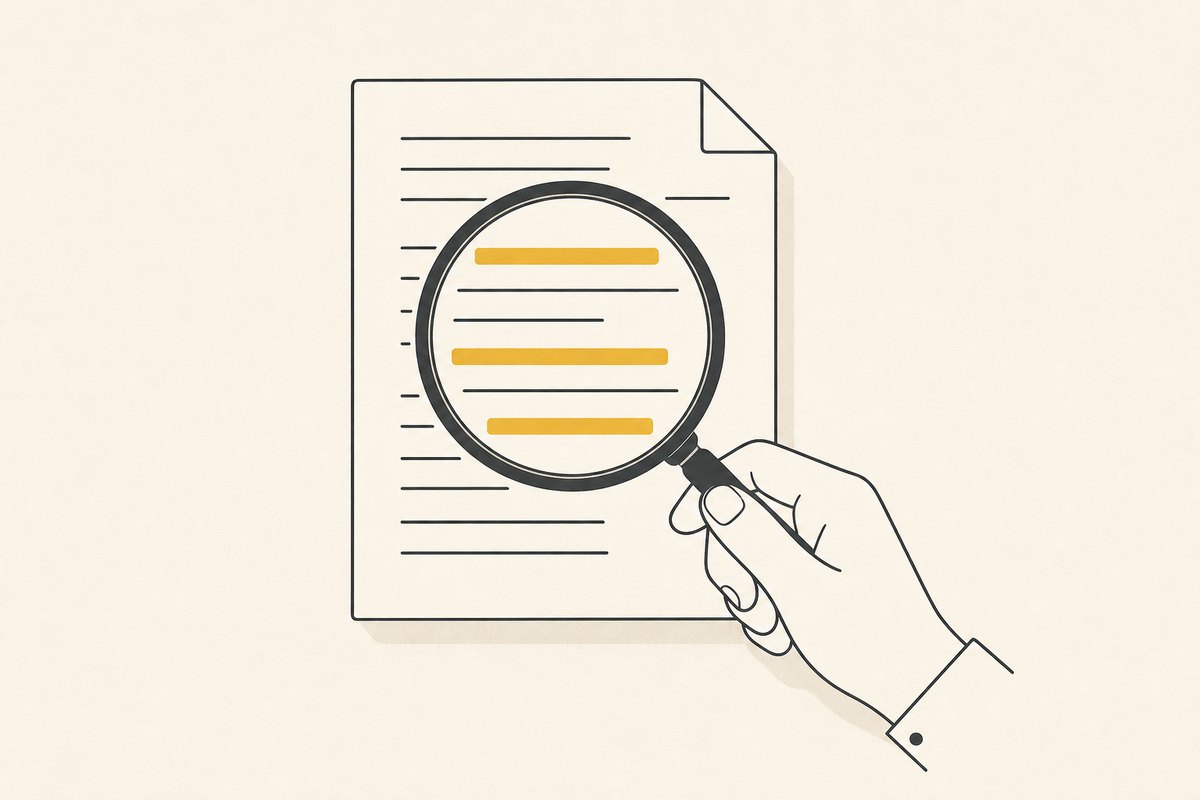
A validation is only useful if it can be done in seconds. A checkbox in the middle of a wall of text is not a validation, it is a formality that ends up being rushed through unread. So we design the validation screen as a deliverable in its own right: what the machine proposes, what it based itself on, what will happen if you accept, and a way to refuse in one click.
We go further on actions with external effects: a refusal does not merely block, it undoes what can be undone and records the prohibition, so the same proposal does not come back the following week.
A validation nobody reads is not a safeguard. It is a blank signature.
The trap of validating everything
Having a human validate everything looks prudent. In practice it is the surest way to kill the project: the queue grows, the person validating becomes the new bottleneck, and after three weeks they approve everything without looking. The gain disappears, the risk comes back.
A good architecture therefore reserves human attention for the cases that deserve it: high amounts, sensitive customers, situations the model itself flags as uncertain, and a random sample to check the rest still holds.
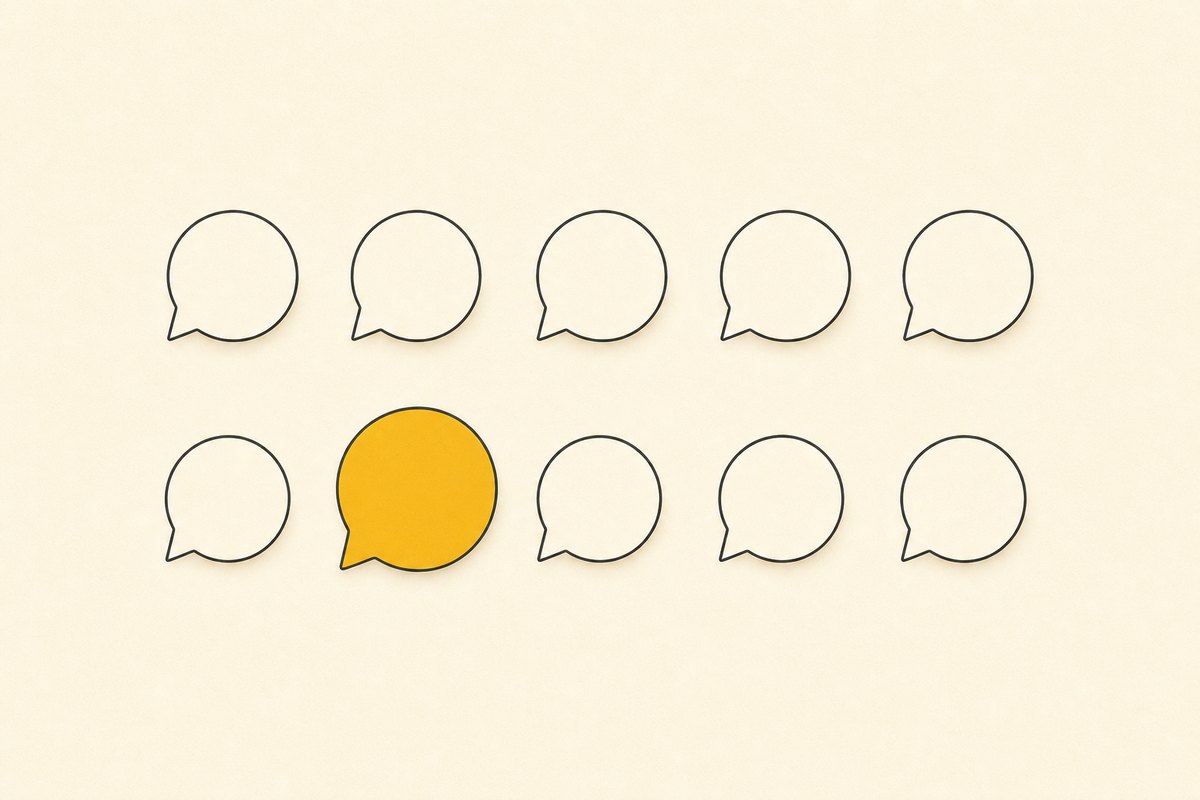
Three regimes, not two
- Automatic. The machine acts, the human checks afterwards on a sample. Reserved for reversible, internal steps.
- Under validation. The machine prepares, the human validates before the action goes out. The default regime for anything leaving the company.
- Assisted. The human does the work, the machine supplies the material, the context and a draft. The right regime for rare, complex or relational situations.
A complete process almost always mixes all three. That is a good test in itself: a provider who applies the same regime to every step has not done the analysis.
The regime moves with the evidence
A step does not stay frozen in its regime. When a step under validation shows several hundred proposals accepted without correction, it can move to automatic with sample checking. Conversely, an automatic step producing repeated corrections goes back under validation the same day. That move is decided on numbers, not on impressions, and it is a large part of an orchestrator's work.