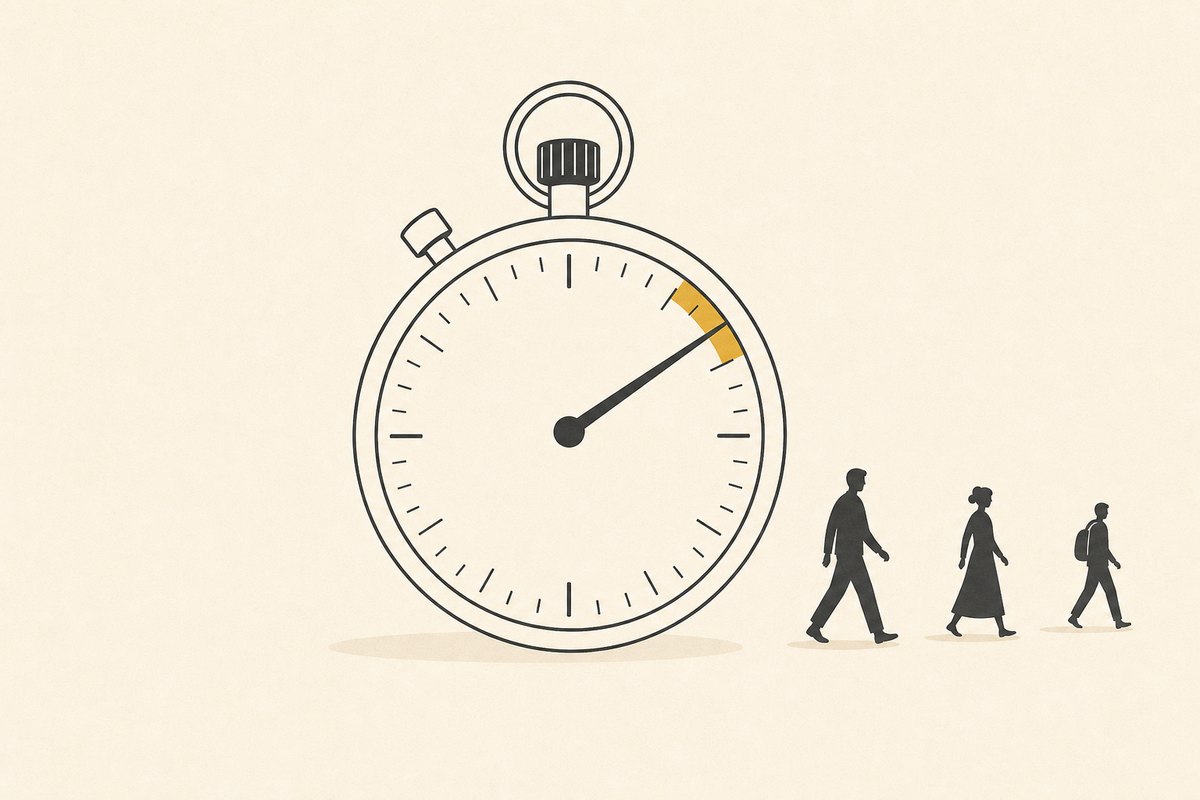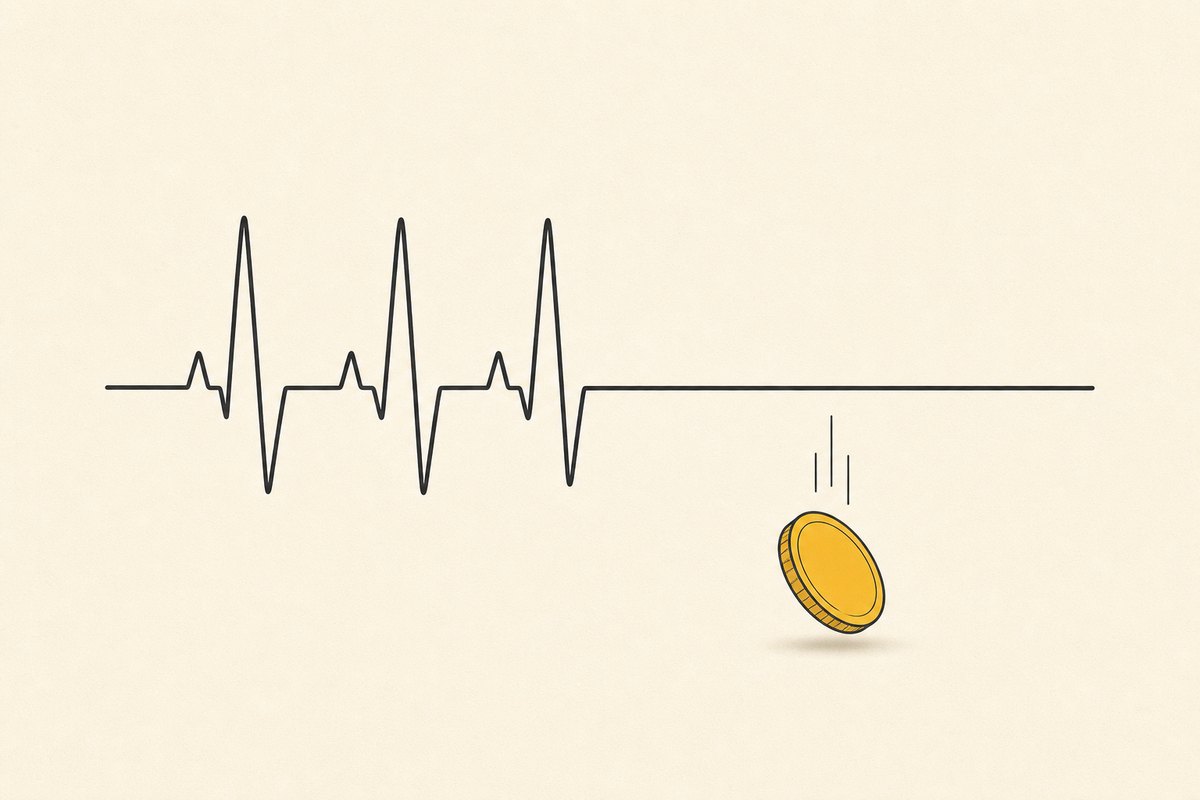
When a website goes down, we instinctively work out a simple loss: a day's average revenue, multiplied by the length of the incident. That calculation is reassuring because it has a limit. It's also largely wrong, not because it exaggerates, but because it ignores everything that keeps costing you after things return to normal.
The first cost: trust
A visitor who lands on an error page doesn't always come back. They won't write to let you know, either: they close the tab and go elsewhere. You'll never see this loss in your analytics, since it takes the form of an absence.
For an existing customer, the effect is different but lasting: they take note that “their website doesn't always work.” Once that thought has settled in, it replays at every moment of hesitation before a purchase.
The second cost: search rankings
Search engines visit your site regularly. If they run into repeated errors, they crawl it less often and, if the problem persists, drop pages from their index. Recovery isn't instant: it's measured in weeks, sometimes more.
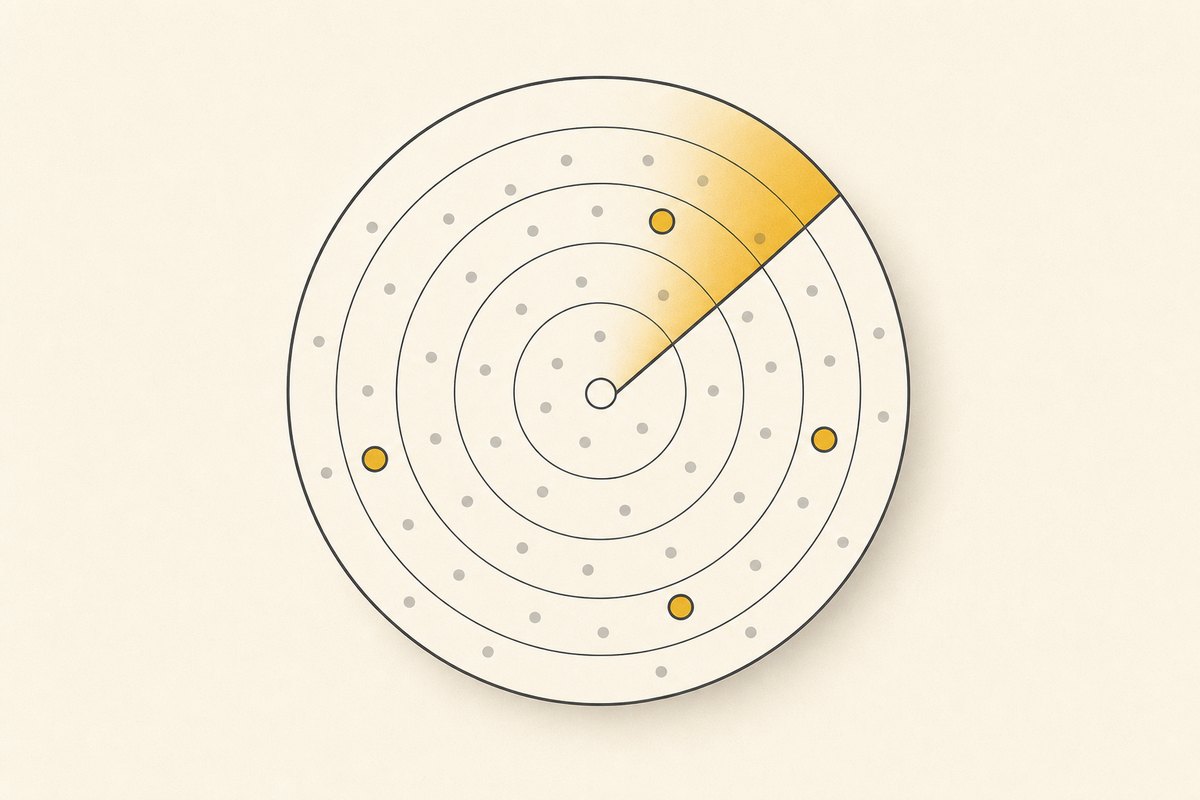
A short, isolated outage generally has no lasting effect. It's the repeated micro-outages, a few minutes at a time, several times a week, never noticed, that slowly erode your visibility. Nobody sees them, precisely because nobody measures them.
The worst incident isn't the three-hour outage everyone saw. It's the three-minute one that keeps recurring and that nobody is watching.
The third cost: human time
An outage pulls people in. The owner calls the provider, the provider investigates, the sales team answers worried customers, someone writes an apology message. That time shows up nowhere, yet it's often the heaviest item of the whole incident.
This cost depends directly on one factor: detection time. Being alerted by a customer means starting the fix late, under pressure, with an unhappy person on the line.
What to measure, in practice
- Real availability, measured from the outside and at short intervals, not the hosting provider's contractual promise.
- Response time, because a site that takes eight seconds to respond is functionally unavailable for a good share of visitors.
- Detection time: how long passes between the incident and the moment someone on your side finds out.
- Critical pages: your home page can respond perfectly while your contact form is broken.
How long until you'd know?
Ask yourself one question: if your website went down right now, how long would it take you to find out, and from whom? If the answer is “from a customer,” your incident cost is two to three times higher than it could be, and it will stay that way as long as detection depends on chance.
You never fix faster than you detect.