When a business stagnates, the first explanation is almost always external: the market is tough, competitors are slashing prices, advertising costs more than it used to. These explanations share one flaw: none of them leads to an action you control.
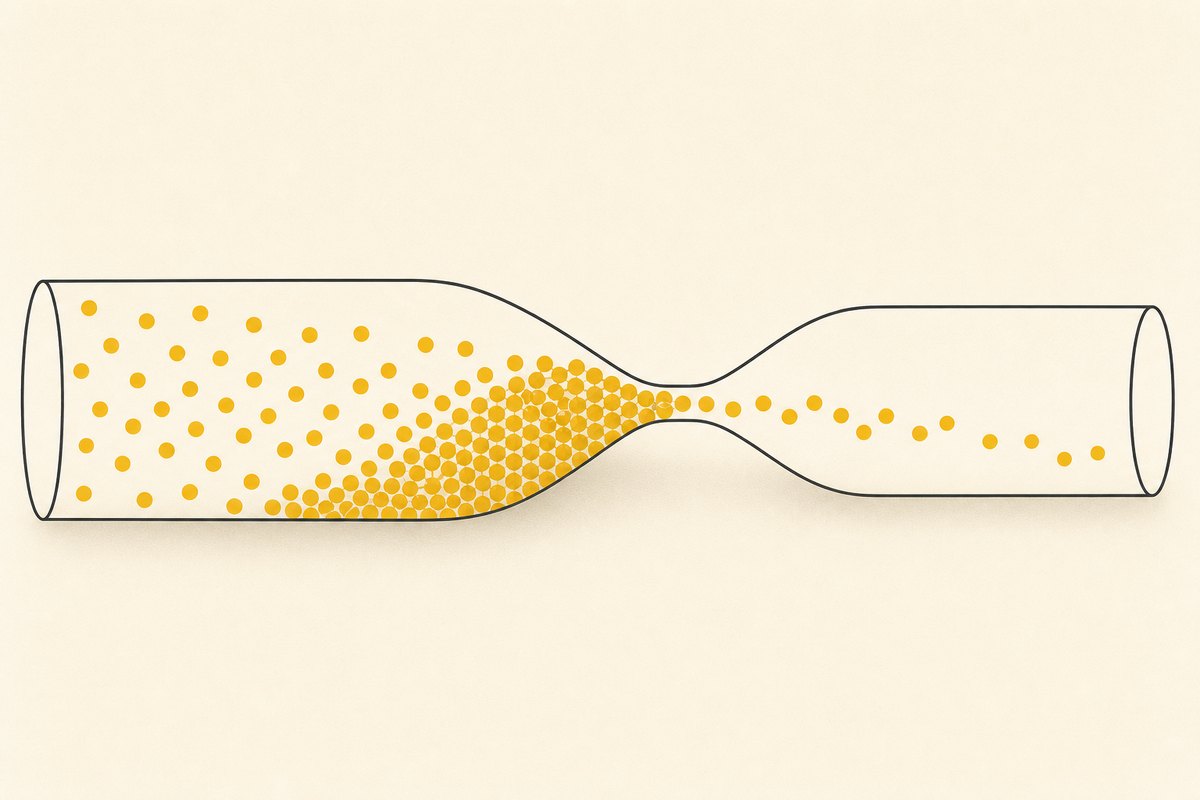
Yet in most of the cases we see, the brake is internal and perfectly measurable. It sits in the path between interest and signature, the place people look at least, because it isn't spectacular to anyone.
Follow the path, not the totals
A global figure tells you nothing. “3,000 visitors, 12 customers” can't be fixed. The path, on the other hand, can: how many visitors reach the offer page, how many start the form, how many finish it, how many get a callback within the hour, how many receive a proposal, how many sign.
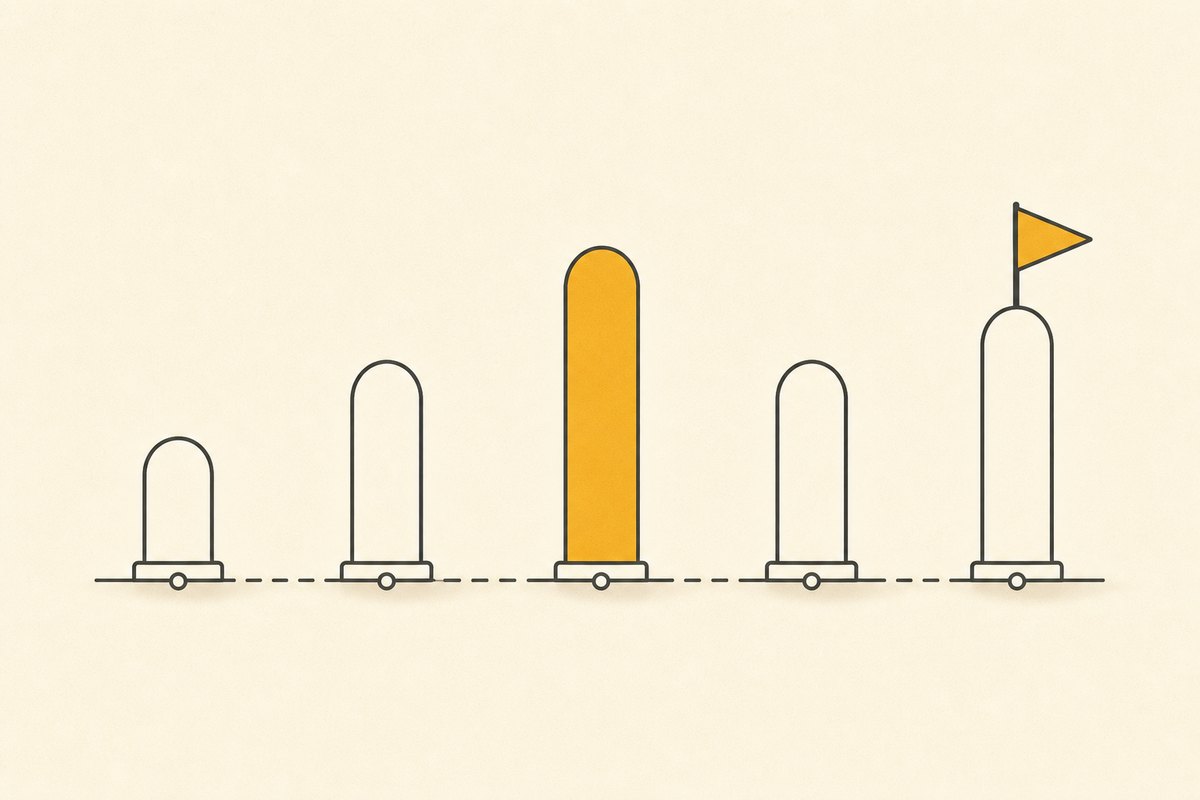
As soon as you break it down, a step stands out. Almost always just one, and a very clear one: a form that's too long, a page that won't load on mobile, a two-day callback delay, a proposal sent a week too late. That's where growth is decided, not in the media budget.
A conversion rate that goes from 1.5% to 2.5% means two thirds more customers, without spending an extra euro on acquisition.
The three most common bottlenecks
- Response time. A prospect who isn't called back quickly has already contacted someone else. It's the cheapest lever and the one most often neglected.
- Form friction. Every optional field costs you inquiries. Many businesses ask for information at first contact that they won't need until invoicing.
- No follow-up. A prospect who doesn't reply isn't a lost prospect: they're a busy one. Without an organized follow-up sequence, a significant share of your acquisition work goes to waste.
Why we look in the wrong place
Because acquisition is visible and rewarding, while handling inquiries is invisible and thankless. A campaign can be shown off in a meeting; an average callback time can't be shown anywhere. The result: we optimize what makes a good story, not what makes the decision.
The other reason is methodological. Measuring acquisition is easy (the platforms do it for you). Measuring the inside of your own path means connecting tools, keeping a record of inquiries and knowing what became of them. It's plumbing work, and it's precisely what's missing.
Reconstruct the path of thirty inquiries
Reconstruct the real path of your last thirty inquiries: where they came from, when they were handled, what became of them. Thirty rows are enough to spot the step. You'll then know whether your problem is one of volume or, as almost always, one of handling.
Before buying more visitors, check what you do with the ones you already have.