Since September 1, 2026, every business established in France and subject to VAT must be able to receive electronic invoices. No size threshold: a micro-business is covered just like a large group.
Many business owners remember the 2027 date and assume they are in the clear. 2027 is the issuing date for SMEs and micro-businesses. The obligation to receive already applies.
The two obligations, not to be confused
Receiving: all businesses subject to VAT, from September 1, 2026.
Issuing: large companies and mid-sized companies (ETIs) from September 1, 2026; small and medium-sized businesses (SMEs) and micro-businesses from September 1, 2027.
The practical consequence is immediate: if one of your suppliers is a large company or an ETI, it is already sending you its invoices in electronic format. If you can't receive them, it's your supplier invoices that get stuck, not theirs.
An e-invoice is not a PDF sent by email
This is the most common mix-up. A PDF sent as an attachment is still a paper invoice in file form: nothing in it can be read automatically by software.
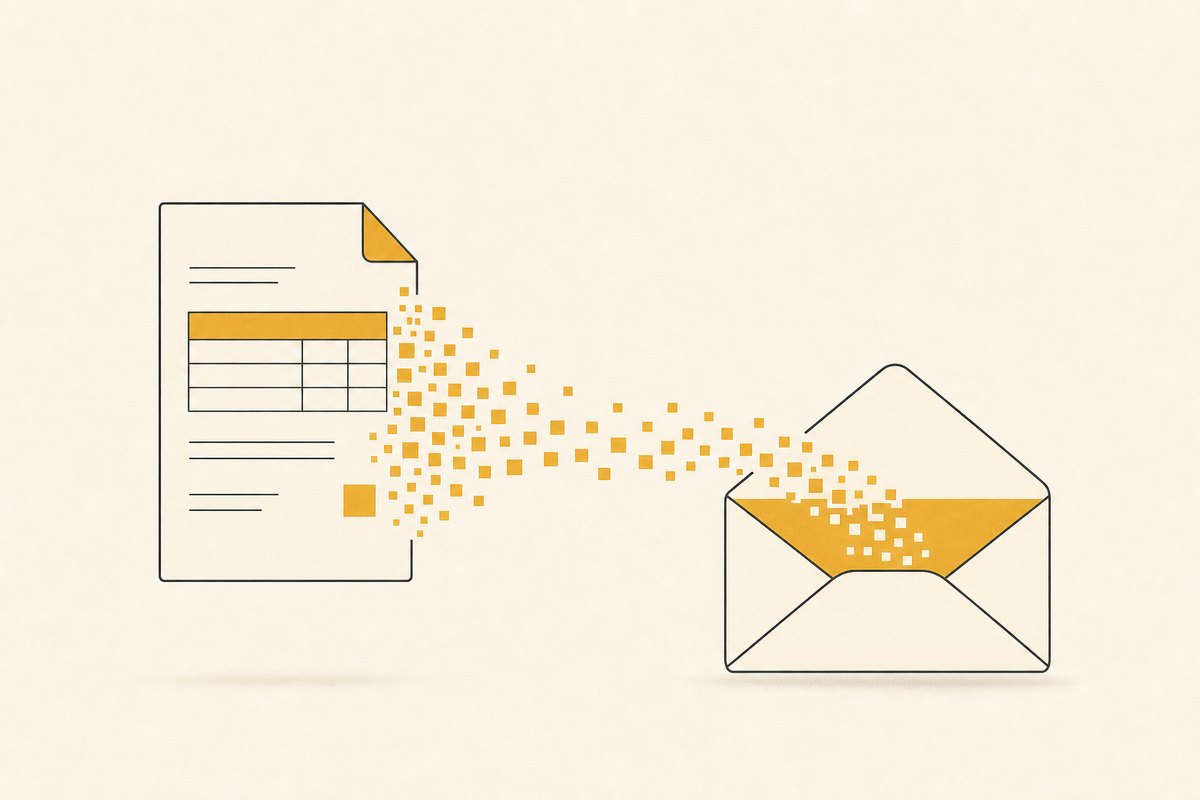
An e-invoice in the sense of the reform is a structured document that travels through a platform approved by the tax authorities. The invoice data can be used as is, and some of it is reported to the authorities.
The issue isn't the invoice. It's the address where one can be sent to you, and whether your business has one.
What to do, in order
Choose where your invoices come in. This is the starting point, and it's a business decision, not a technical setting. Your accountant most often has a solution to suggest, sometimes already included in their services.
Check your identification details. Company ID number, intra-EU VAT number, billing addresses: these are what allow an invoice to be sent to you. A wrong or outdated detail makes delivery fail, and nobody tells you.
Let your suppliers and customers know. The transition is gradual in both directions: better to tell them which channel you use than to find out from a lost invoice.
Don't wait for 2027 to start issuing. A business that can receive can almost always issue. Doing it right away avoids reopening the subject in a year.
The link with your website
It's real, even if it isn't obvious. If you sell online to businesses, the invoice leaving your shop will one day have to go through this channel. The identification details you collect at checkout are exactly what this channel needs.
An order form that asks for neither the ID number nor the VAT number of its business customer sets you up for cleanup work later. It's one of the points we look at on the shops we audit.
Source: official page "Facturation électronique entre entreprises" (business-to-business e-invoicing) on service-public.gouv.fr, accessed September 10, 2026.