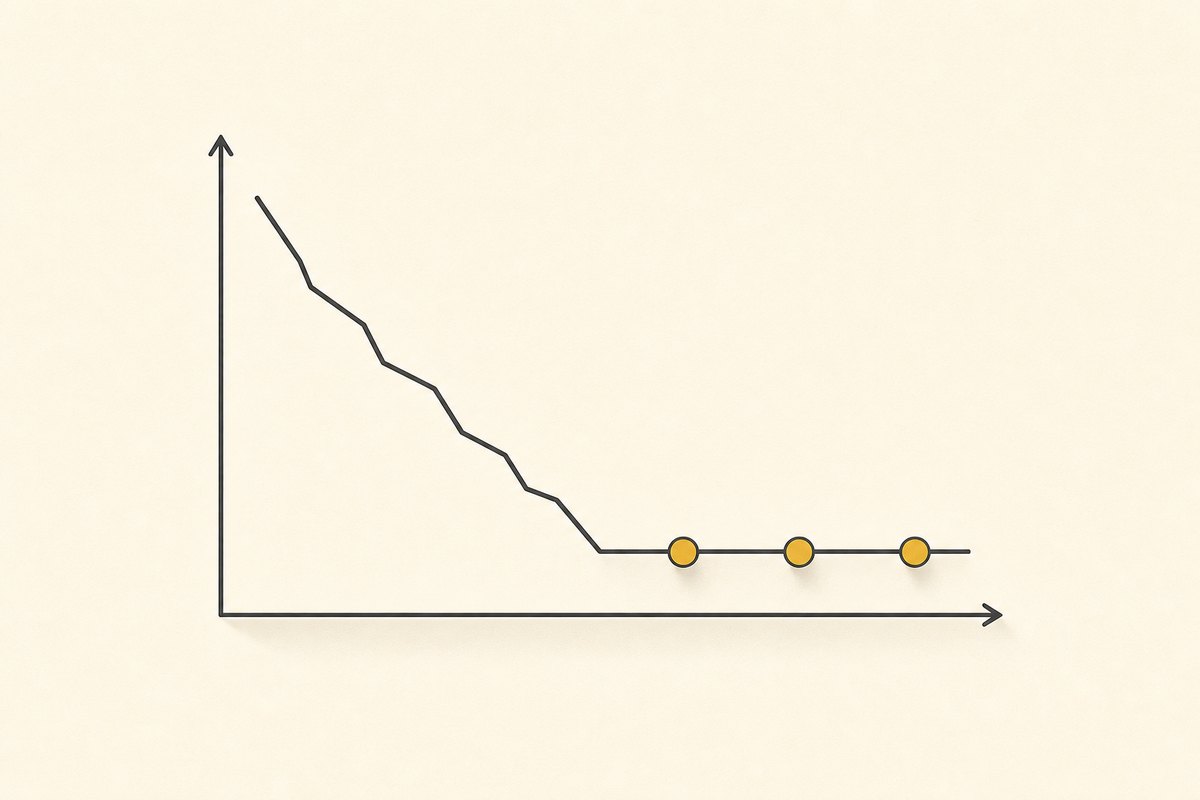
The first instinct when faced with an unfair review is to want it gone. That is almost always a dead end: removal is rarely granted, it takes time, and the energy spent would have been better used elsewhere. The right strategy is not erasure, it is response and volume.
The first few hours count
A negative review with no reply reads like an admission of guilt. A reply written within twenty-four hours completely changes how it is read: the reader no longer judges the incident, they judge how you handle it. That is exactly what you want them to judge.
Future customers don't read the negative review. They read your reply.
How to reply
- Short. Three to five lines. A long reply feels like self-justification.
- Factual. Recall what happened without arguing, without irony, and without private details: confidentiality binds you even when the other party doesn't care about it.
- Open. Offer to continue by phone or in a direct written exchange. The reader sees a company that is available.
- Signed. A first name is better than an anonymous signature: it shows there is someone behind the reply.
What you should never do: reply in the heat of the moment, contest the review point by point, imply that the customer is lying, or let a team member reply without guidelines.
The real remedy: volume
A single negative review among fifteen recent ones weighs almost nothing. The same review among three reviews from two years ago weighs enormously. The difference isn't in the content: it's in the context.
Hence a simple and lasting practice: systematically ask for a review after a job well done. This isn't manipulation, it's correcting a bias, since only unhappy customers speak up spontaneously.
When the matter goes beyond a review
A persistent rumor, a coordinated campaign, impersonation, defamatory statements: in these cases a public reply is no longer enough. You need to document: dated screenshots, URLs, a timeline, and have it all formally recorded. This material is what will make legal action possible later; without it, all you have left is a memory.
Start by searching your own name
Search for your company name today, on the first two pages of results and on review platforms. Note what shows up, what is outdated, and what remains unanswered. This is what a hesitating customer sees, and it is the only reputation assessment worth anything.
You don't delete a bad reputation. You cover it with recent, verifiable facts.