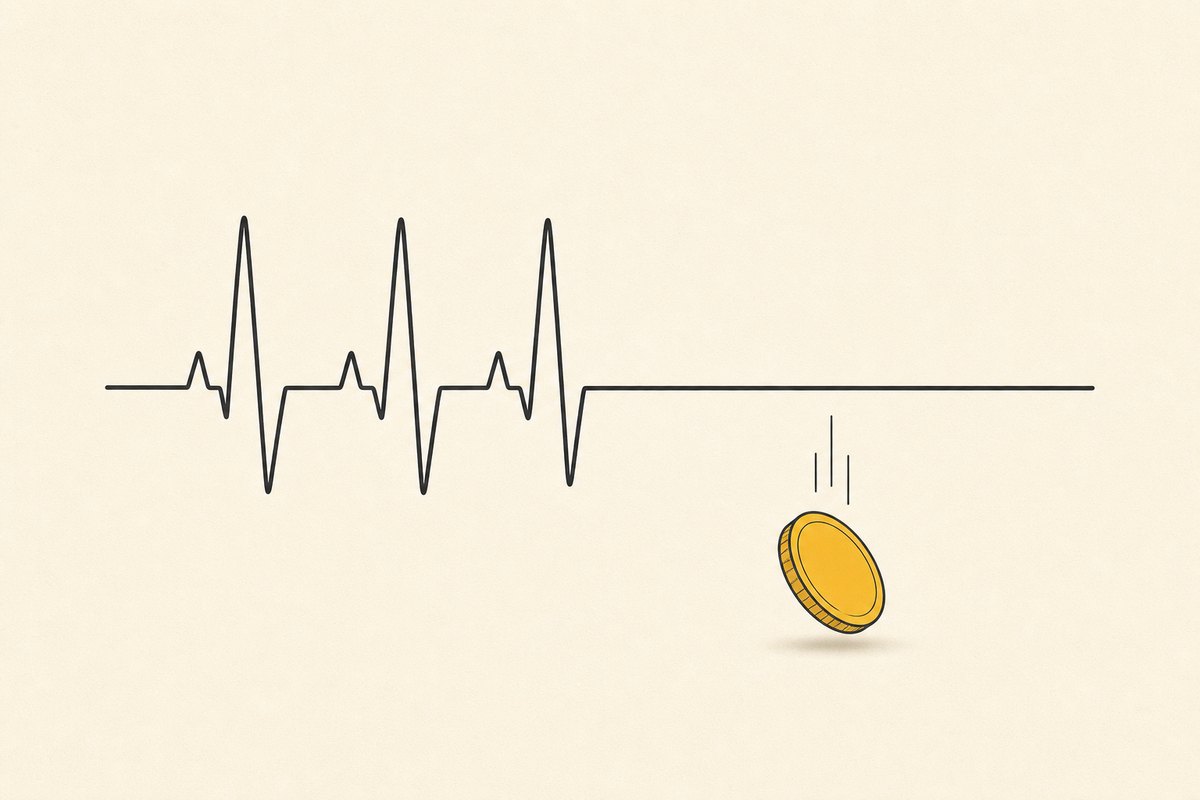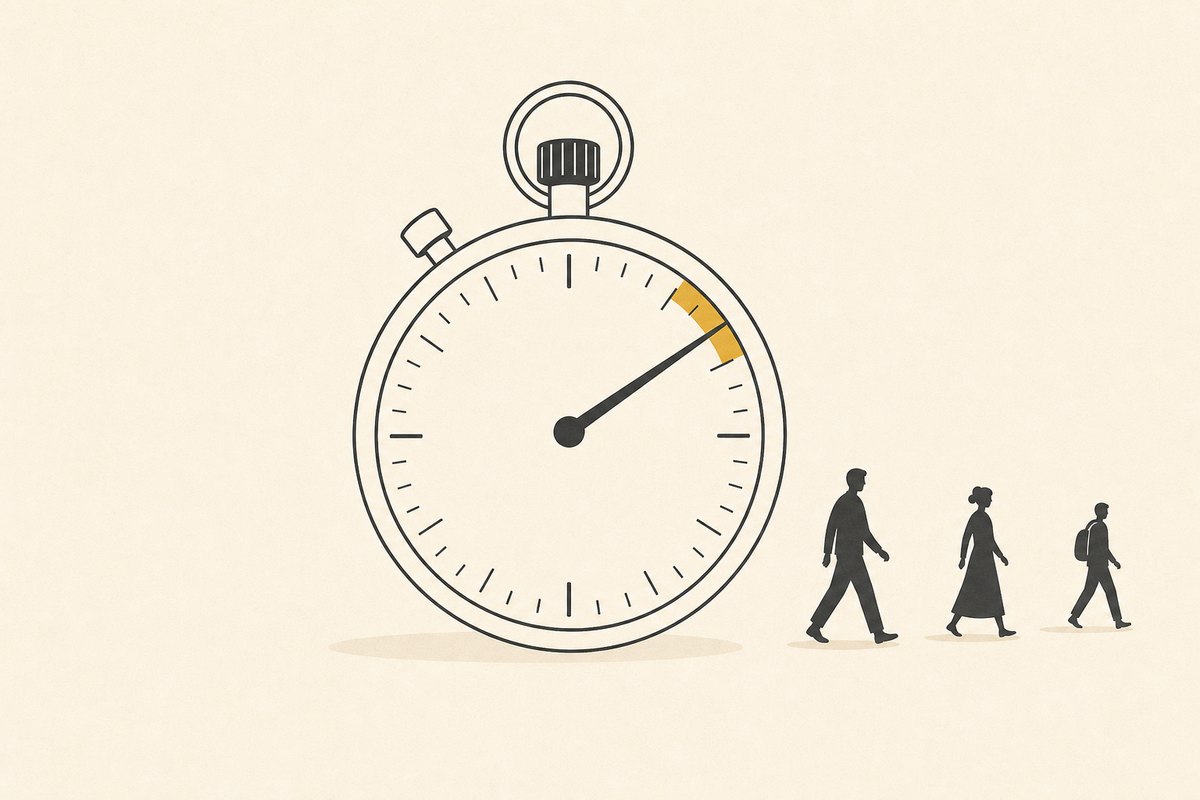
An outage is obvious. Slowness isn't. That's what makes it costly: it erodes results without ever setting off an alarm. Nobody calls to say "your site is a bit slow." They just leave.
What "slow" means from the visitor's side
Visitors don't measure milliseconds: they feel a wait. Under one second, browsing feels instant. Around two to three seconds, the wait becomes noticeable and attention drifts. Beyond that, some visitors give up before they've even seen your offer, and on mobile, on the go, they leave even faster.
The detail that matters: this loss happens before anyone reads a word. You're not losing to a competitor with a better offer, you're losing to a blank page. Your content, your price, the quality of your service haven't even been evaluated.
A visitor who leaves while the page is loading hasn't turned down your offer. They never saw it.
Why one-off tests are misleading
Running a speed test on a Tuesday at 3 p.m. over a good connection gives a flattering result that tells you little. A site's performance varies with the time of day, the load, the visitor's network and the state of the third-party services it embeds.
That's why continuous monitoring beats a one-off audit: it reveals the dips, the peaks and, above all, gradual degradation, like the module added last month that doubled load time without anyone making the connection.
The most common causes
- Unoptimized images, the number one cause and the easiest to fix.
- Third-party scripts (chat, analytics, ads, social networks): each one looks harmless, but together they aren't.
- Undersized hosting that works perfectly well until traffic picks up, which is exactly the day it matters.
- Successive additions: nobody measures the effect of a new feature on speed, and the slowdown creeps in bit by bit.
The effect on visibility
Speed is one of the signals search engines take into account, but the strongest effect is indirect: a visitor who bounces right away sends a poor experience signal. So you pay twice: in lost conversions, then in diminished visibility.
Monitor continuously, and set a threshold
Have your response time monitored continuously rather than once a year, and set an alert threshold. The goal isn't to get a perfect score in a testing tool: it's to know, the day speed degrades, that something has changed, and what.
Slowness doesn't complain. You find it in your revenue, three months later.