The question "what can AI do for us?" is too broad to get a useful answer. The question that works is the reverse: of the tasks you already do, which ones meet the conditions to be handed to an agent?
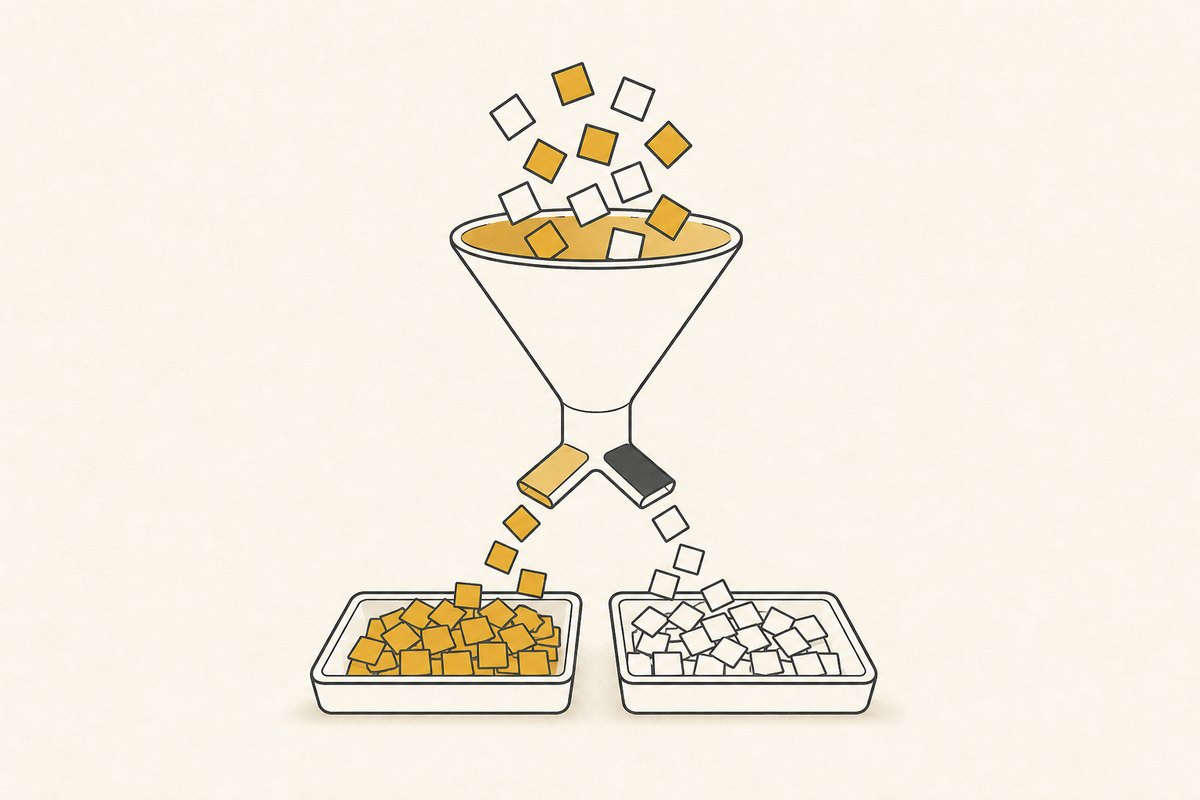
The three sorting criteria
- Volume. A task done twice a year doesn't justify any setup. A task done twenty times a day, even a short one, does.
- How clear the rule is. Could you explain to a new colleague, in one page, how to do it properly? If so, an agent can learn it. If not, start by writing the rule down. It's useful anyway.
- The cost of a mistake. An error that can be fixed in thirty seconds allows direct automation. An error with legal or financial consequences calls for human review.
The good candidates, almost always the same ones
Sorting and qualifying incoming requests; preparing a reply from existing documents; consistency checks (a quote, a product page, a standard contract); summarizing a volume of information nobody has time to read; formatting and re-entering data between two tools that don't talk to each other.
These are preparation tasks. They have one thing in common: they come before the decision instead of making it. That is exactly the right place for an agent.
Delegate the preparation, keep the final call. It's the only rule that holds up over time.
The bad candidates
Anything that commits you without review: a reply sent automatically to an unhappy customer, a pricing decision, a contractual commitment. Anything that relies on information the agent doesn't have: if the rule lives in the heads of three people, no automation will guess it.
And anything without a definable good outcome. If you can't say what success looks like, you won't be able to say what failure looks like, and the setup will be abandoned after six weeks, with no one knowing why.
Starting small is not a precaution, it's a method
A narrow first scope lets you measure. You know how long the task used to take, you know how long it takes now, and you know how many times it had to be corrected. Those three numbers will decide what comes next far better than any sales demo.
Write down your ten tasks, then choose
List your ten most repetitive tasks, score each from 1 to 3 on the three criteria, and start with the one that gets the best total. It's almost always a modest task, and that is precisely why it succeeds.
AI projects that fail start with an ambition. The ones that succeed start with a task.