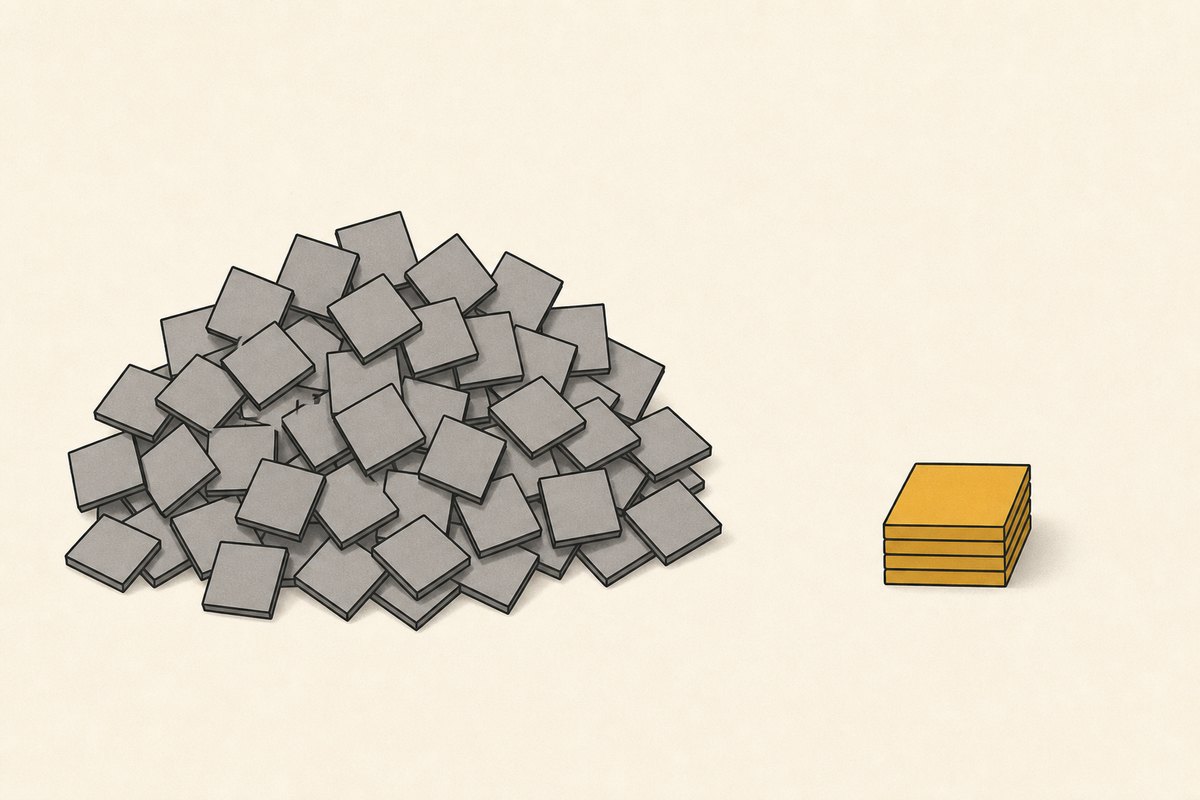
The founding mistake of the first message is trying to sell. People pack in the offer, the references, the arguments, sometimes an attachment. The recipient isn't looking to buy, though: they're trying to decide whether to keep reading. The only goal of a first message is to get a reply, not a sale.
The subject line: descriptive, not seductive
Clever or intriguing subject lines have been played out for a long time. What works is plain and honest: the topic, and possibly the name of the company concerned. Readers should know what it's about before they open it, not be tricked into opening.
A subject line that promises something other than the content earns an open and loses a prospect.
The first line: show that you've looked
A single sentence that proves the message isn't being sent blindly: something specific to that company, verifiable, and tied to what you're about to talk about. No flattery: just an observation.
This line is the most expensive to produce, and it decides everything. It's also why narrow targeting is essential: it can't be industrialized endlessly.
The body: three sentences, no more
- The observation, phrased from their point of view, not yours.
- What you do, in one sentence that makes sense without jargon.
- A short proof point: a comparable case, a figure, a reference from the same industry.
The ask: tiny
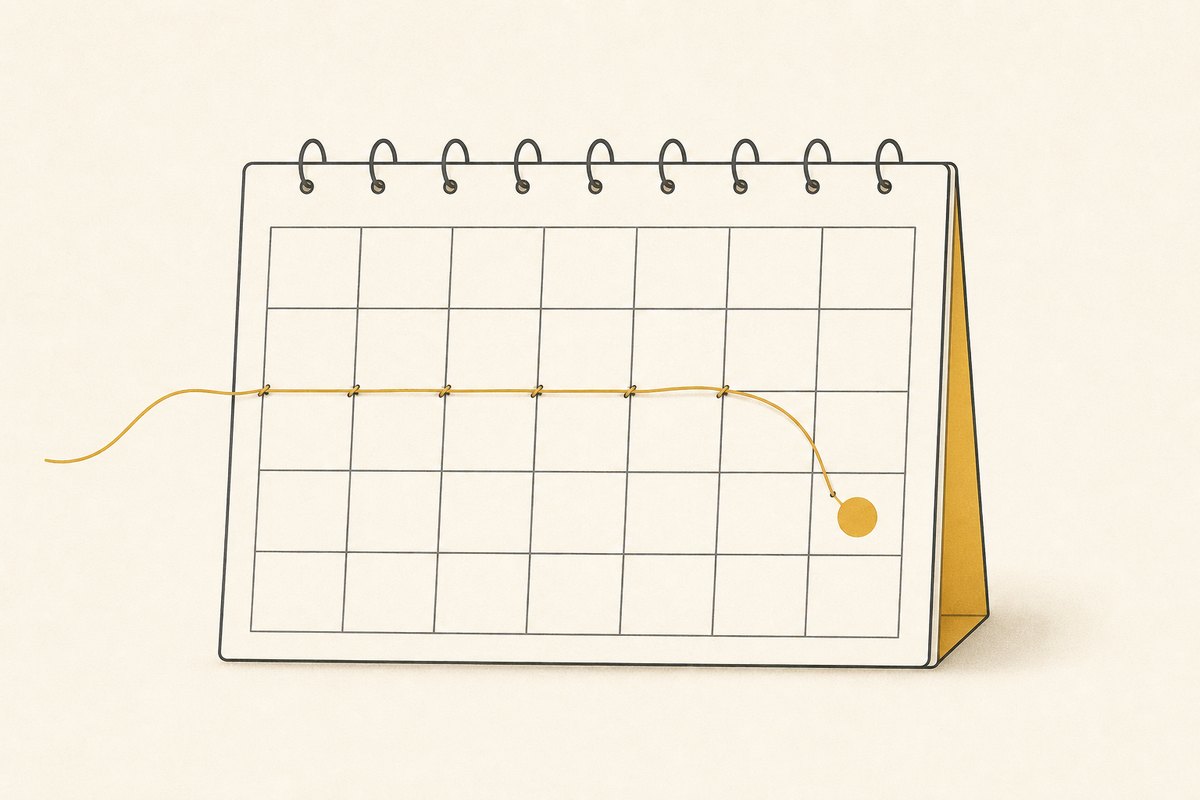
"Is this something you're dealing with, yes or no?" gets more replies than "Do you have thirty minutes?". The first ask costs a second; the second commits a calendar that's already full. You raise the level of commitment once the conversation is open, not before.
What kills a reply
An unsolicited attachment, a booking link in the very first message, a signature cluttered with images, a length that forces scrolling on a phone. Each of these reduces replies, and they add up.
Cut everything that's about you
Write your message, then delete everything about you that comes before the third sentence. Then reread it on a phone: if you have to scroll to reach the question, it's too long. You'll get more replies with fewer words.
The first message doesn't have to convince. It only has to deserve a one-line reply.